
Play Bad Memories
Bad Memories Screenshots
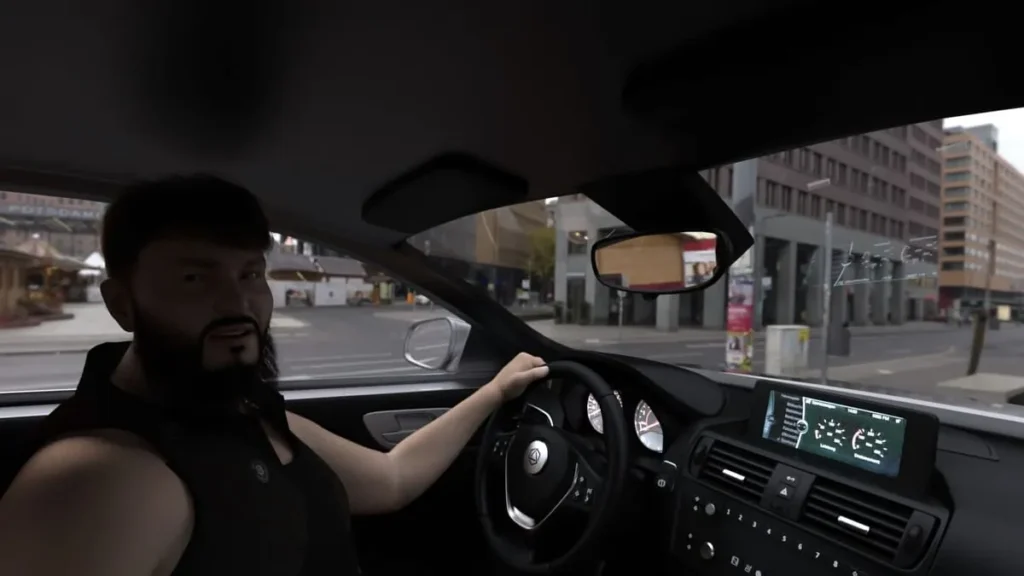
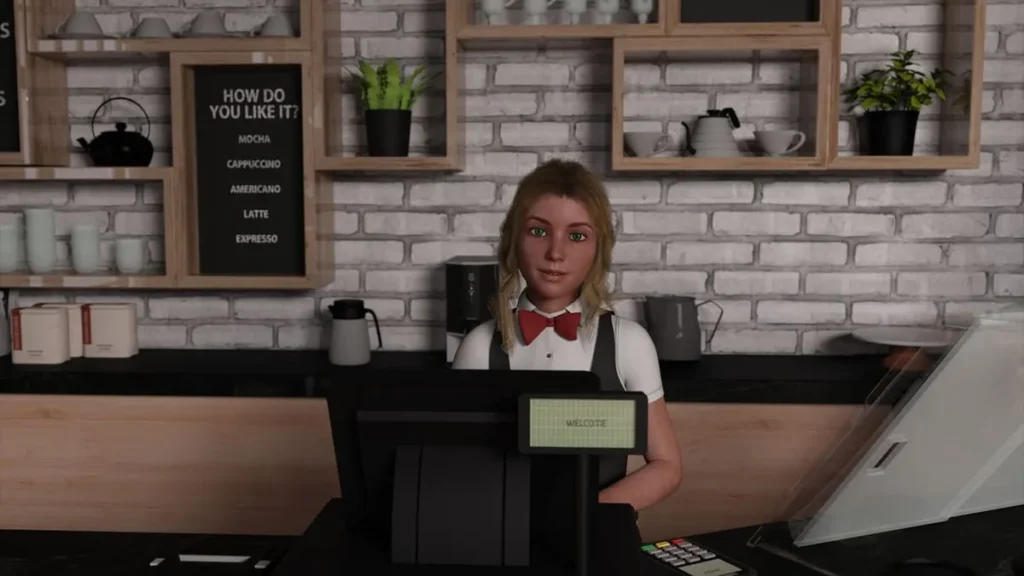




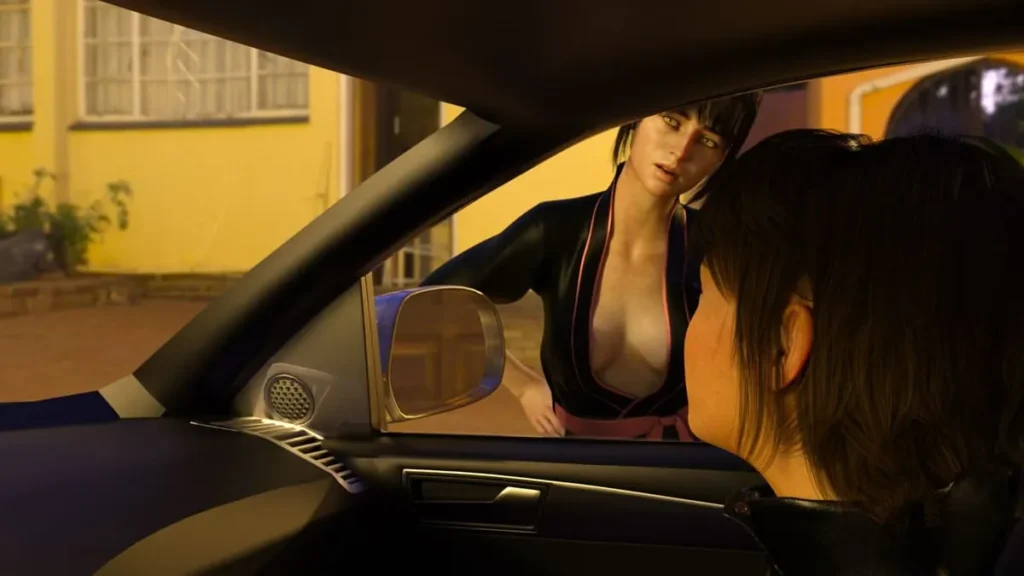

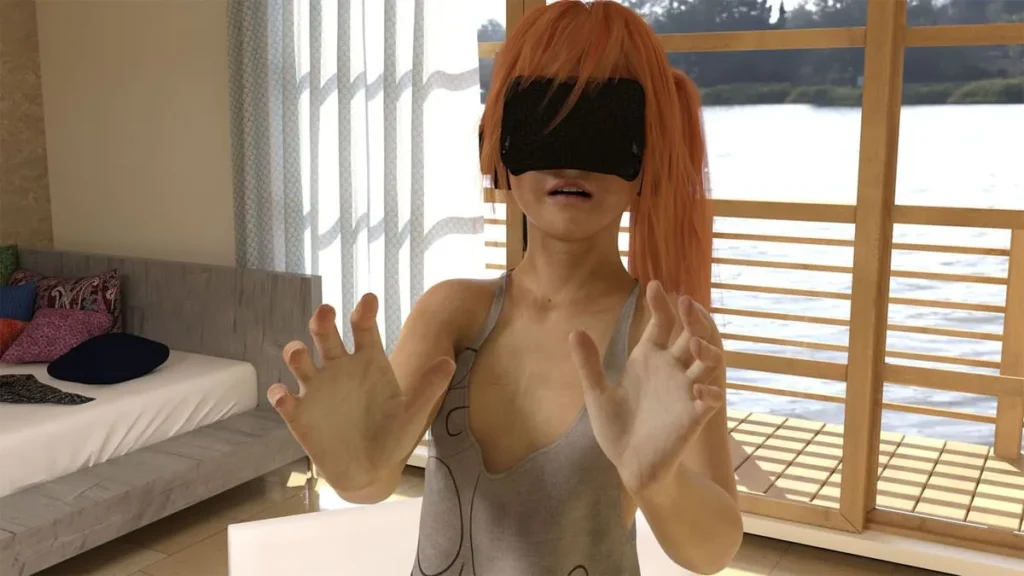







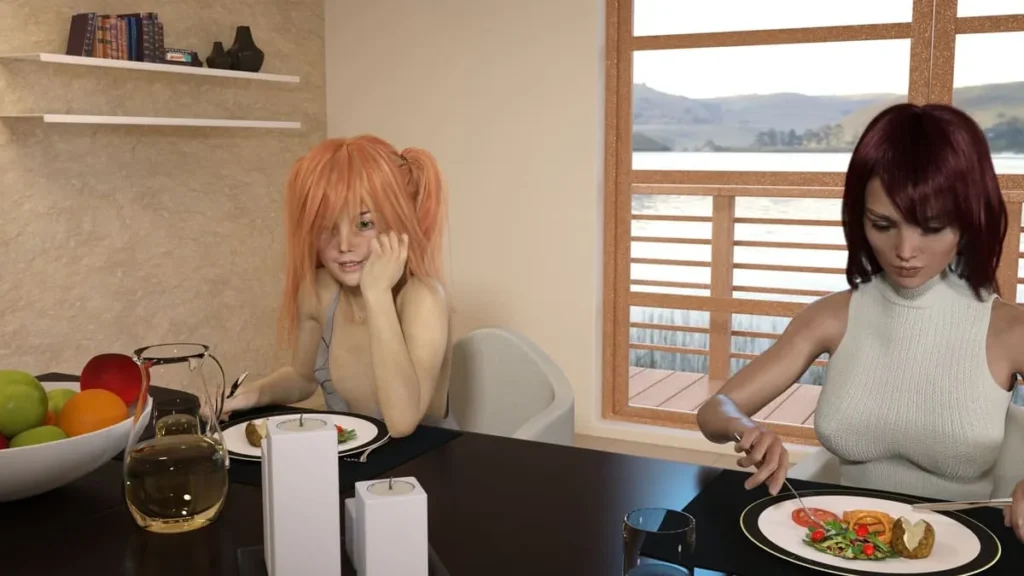

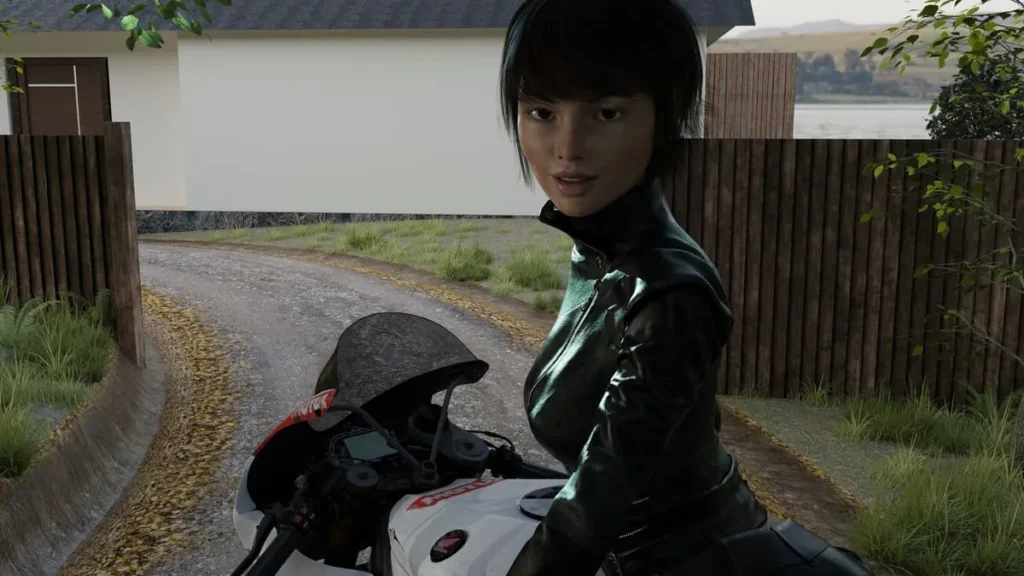

Bad Memories review
A personal, in-depth look at Bad Memories, its narrative, characters, and replay value
Bad Memories is a story-driven visual novel that blends adult themes with mystery, emotional drama, and branching choices. From the very first scene, the game makes it clear that your decisions will shape how the main character deals with their broken past, relationships, and inner conflicts. In this article, I’ll walk you through what makes Bad Memories stand out, how the narrative and characters are structured, and what you can expect in terms of pacing, replay value, and emotional impact. I’ll also share some personal impressions and practical advice so you can decide if Bad Memories fits your taste and playstyle.
What Is Bad Memories and Why Has It Gained So Much Attention?
Let’s be honest: the world of adult visual novels can be a bit of a mixed bag. 🤔 You might find yourself clicking through shallow stories that feel like mere vehicles for their explicit scenes. So when a title like Bad Memories starts generating genuine buzz, it’s worth asking why. What is this game, and why are players who crave substance paying so much attention to it?
I’ve spent hours exploring its winding narrative, and I can tell you it’s not your typical fare. Bad Memories is a story-rich experience that uses its mature themes as part of its emotional fabric, not as the sole point. It’s a game about piecing together a fractured past while navigating the complexities of the present. If you’re wondering how does Bad Memories work and whether it’s for you, you’re in the right place. Let’s pull back the curtain. 🎭
What is the core premise of Bad Memories?
At its heart, the Bad Memories story is one of trauma, confusion, and the slow, often painful process of healing. You step into the shoes of a protagonist returning to a familiar town after a long absence, haunted by fragmented memories of a past incident. Something happened—something bad—but the details are locked away in a mental fog. Your goal isn’t to save the world; it’s to save yourself by understanding what broke you.
A brilliant foundational choice right at the start sets the tone: you can choose to play as a man or as a woman. This isn’t just a cosmetic switch. 👤 This choice subtly colors your interactions, shifting dialogue nuances, altering how some characters initially perceive you, and even changing some specific scenes. It’s a thoughtful touch that adds a layer of personalization to the journey, making your experience feel uniquely yours.
The overarching narrative of this Bad Memories visual novel is driven by two interconnected engines: uncovering the truth of the past and managing relationships in the present. You’ll meet a cast of deeply written Bad Memories characters, like the seemingly caring Rachel, the free-spirited Ellie, the enigmatic Hanna, and others. Each relationship is a potential path toward comfort or complication. Will you seek solace and rebuild trust, or will old patterns and new conflicts lead to more heartache?
Crucially, the adult content in this adult visual novel is woven into these relationship arcs. It’s presented as a possible outcome of emotional intimacy (or sometimes, conflict), rather than a disconnected reward. The game genuinely tries to explore the weight of its themes—trust isn’t given easily, healing isn’t linear, and some memories might be better left buried. This commitment to its core narrative is a primary reason the Bad Memories game stands out.
How does Bad Memories play and feel moment to moment?
If you’re new to the genre, you might ask: how does Bad Memories work from a gameplay perspective? The answer is elegantly simple. This is a classic, choice-driven visual novel. You’ll spend most of your time reading dialogue and internal monologues, making decisions at key junctures. The interface presents you with locations like Home, School, Downtown, and the Cafe, which you can visit to advance the story or bump into characters.
There are no inventory puzzles or reflex-based minigames here. The entire complexity lies in your choices. 🧠 Some decisions seem innocuous but can lock you onto a specific character’s route hours later, while others can abruptly cut off entire story branches. The pacing is deliberate:
- Early Game: You’re thrust into a state of confusion, meeting characters and re-establishing a life. The mood is tense, melancholic, and full of questions.
- Mid-Game: As you choose who to spend time with, relationships deepen. This is where you actively pursue secrets—finding hidden pills, deciphering clues on a laptop, and parsing cryptic hints from side characters. The story branches significantly here.
- Late Game: Your choices culminate. You face emotional payoffs, confront truths about the past, and experience endings that range from bittersweet to hopeful to devastating.
“I remember choosing a seemingly supportive dialogue option with Rachel, only to have it backfire spectacularly two chapters later. The game had remembered my patronizing tone, not just my intent. That’s when I knew Bad Memories was playing a deeper game.”
My first playthrough was a blind, emotional ride where I focused intensely on Ellie’s route. I was so invested in her story that I ignored half the town! 🏙️ I got a satisfying, if somber, ending and thought I’d seen the bulk of the Bad Memories story. I was wrong.
On my second save, driven by curiosity, I changed my routine. Instead of going straight home, I explored every location on the map. I visited the cafe at different times of day. I chose the sarcastic or withdrawn dialogue options instead of the kindly ones. The amount of new content was staggering—whole scenes, character backstories, and plot threads I never knew existed. The game actively rewards patience and exploration.
Practical Advice for Your First Playthrough: Don’t rush. Treat it like an interactive book you’re savoring. Avoid the skip button, even on repeated lines, as the protagonist’s internal thoughts often change with context. Talk to everyone, and don’t be afraid of “bad” choices—they often lead to the most interesting narrative corners.
Who is Bad Memories really made for?
So, is Bad Memories worth playing? The answer is a resounding yes, but for a specific audience. This isn’t a game for everyone, and that’s its strength.
The Bad Memories game is tailor-made for players who prioritize character-driven stories above all else. If you love slow-burn relationships where trust is earned over time, and where intimate moments feel earned by emotional investment, you’ll find a home here. It’s for those who appreciate replayability, who enjoy seeing how a different choice in Chapter 1 can ripple out to create a completely different Chapter 6.
It will also appeal to fans of adult visual novels who are tired of disposable content and crave a story where the mature elements feel contextual and meaningful. The emotional weight gives those scenes a gravity often missing from the genre.
However, a gentle warning: if you’re expecting non-stop action, strategic gameplay, or a power fantasy, you’ll likely be underwhelmed. The pace is deliberate, the tone is often heavy, and the primary interaction is reading and choosing. Think of it as directing a deeply personal, sometimes uncomfortable drama.
Ultimately, the Bad Memories visual novel has gained attention because it respects its audience and its own themes. It believes you’re there for the characters and the story as much as anything else.
- For the Story-Focused Player: You get a gripping, psychological narrative about memory and trauma.
- For the Romance/Routes Fan: You get multiple, complex character arcs with meaningful branching.
- For the Replay Enthusiast: You get a densely woven story where new playthroughs reveal hidden layers.
- For the Emotionally Prepared: You get a game that isn’t afraid to sit in uncomfortable, sad, or tender moments.
It’s a poignant, engaging experience that stays with you long after you close the game—which, for a title called Bad Memories, is the highest compliment I can give. ✨
Bad Memories takes a familiar visual novel framework and layers it with mystery, emotional tension, and a surprising amount of heart. As you guide the main character through everyday scenes, awkward conversations, and difficult choices, you slowly piece together what went wrong in the past and what kind of future you want to build. If you enjoy character-driven storytelling, multiple routes, and the feeling that your dialogue choices genuinely matter, this game is worth taking the time to explore. Give yourself permission to read at your own pace, experiment with different paths, and see how many different versions of this story you can uncover.