Boat
Play Boat
Boat Screenshots

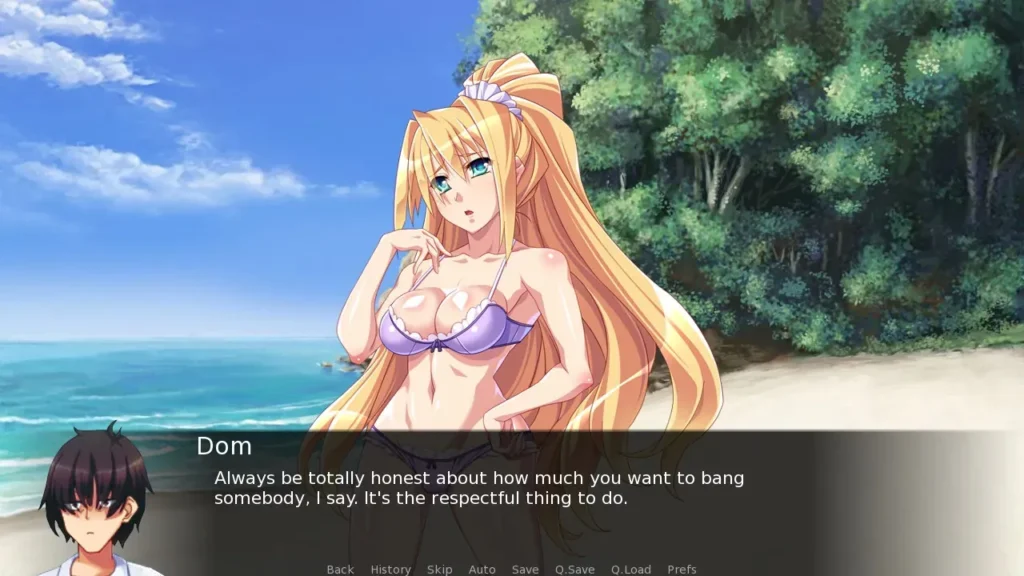
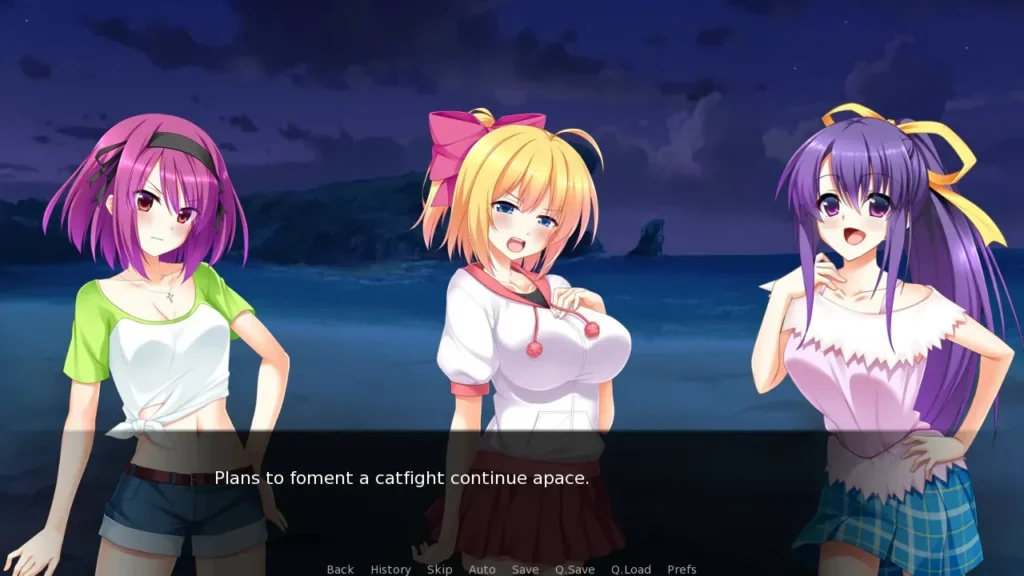
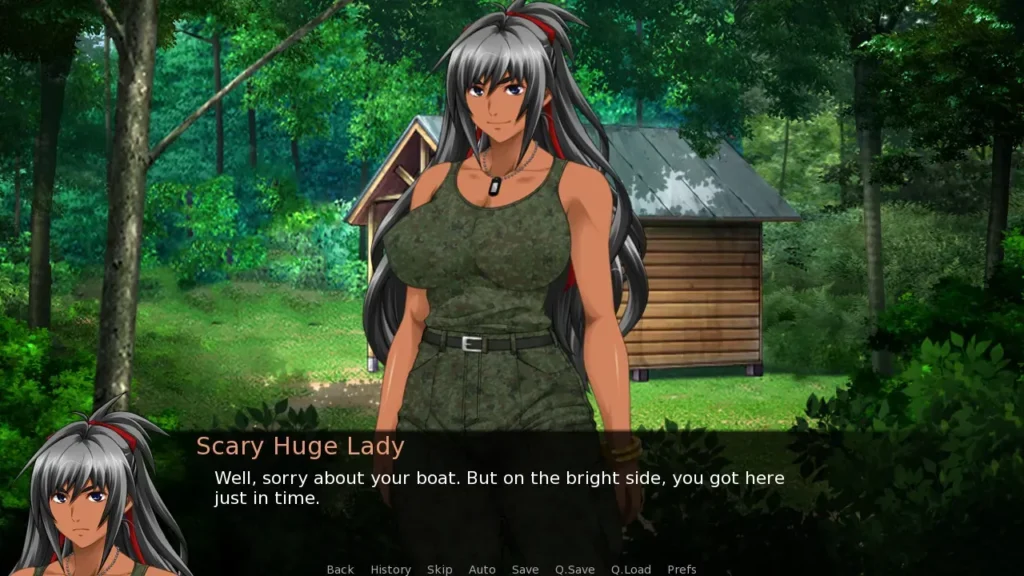
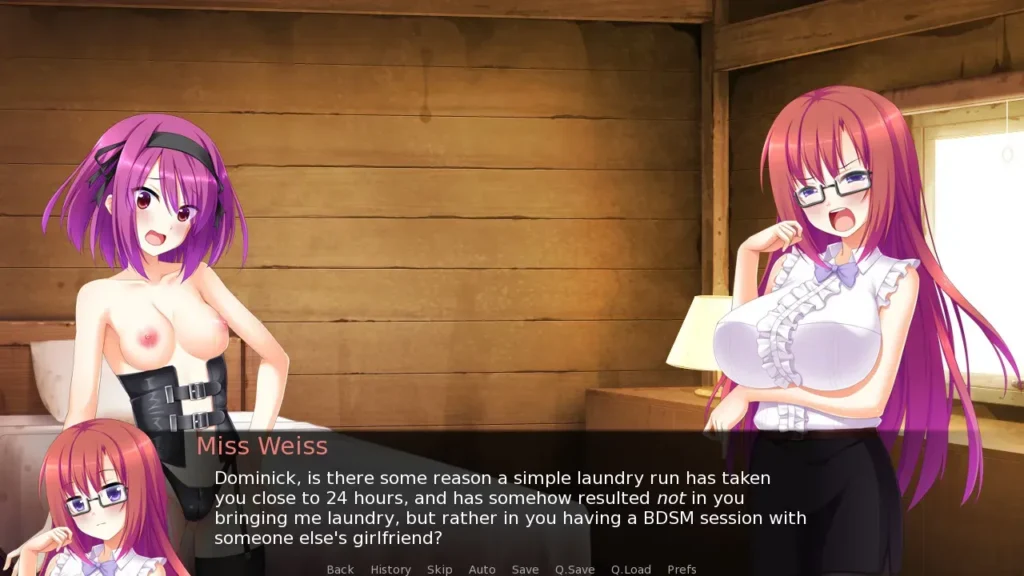

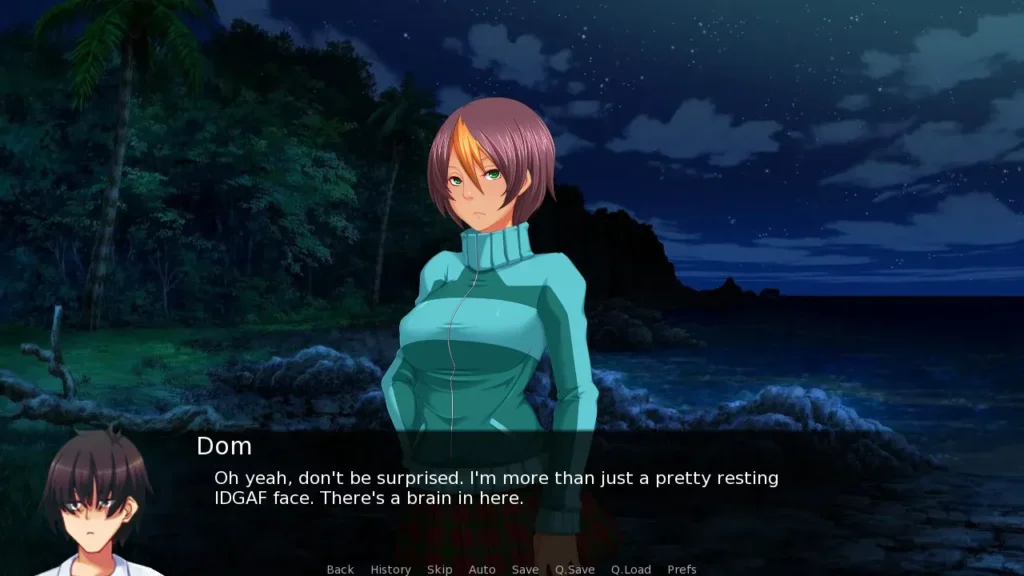


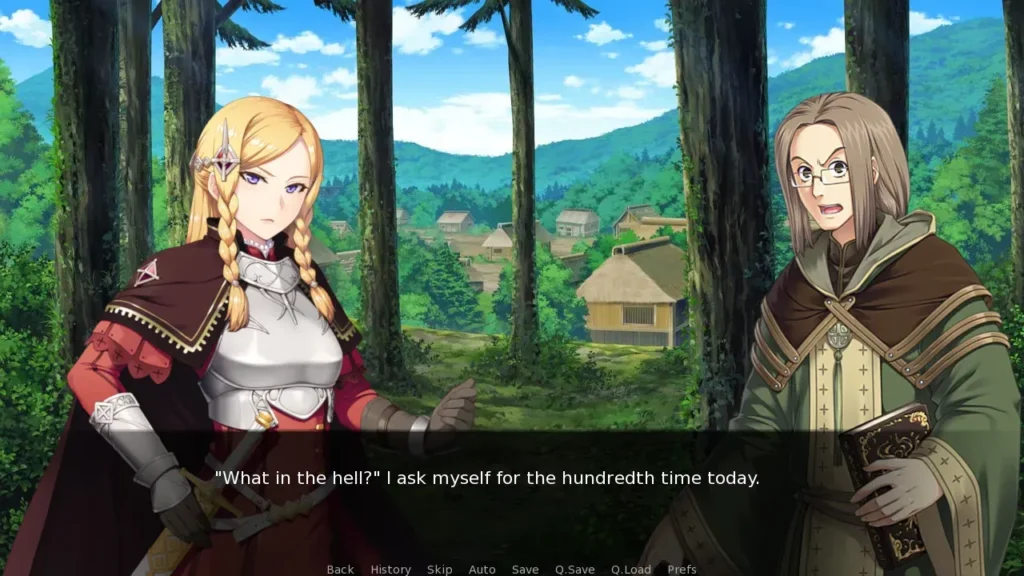


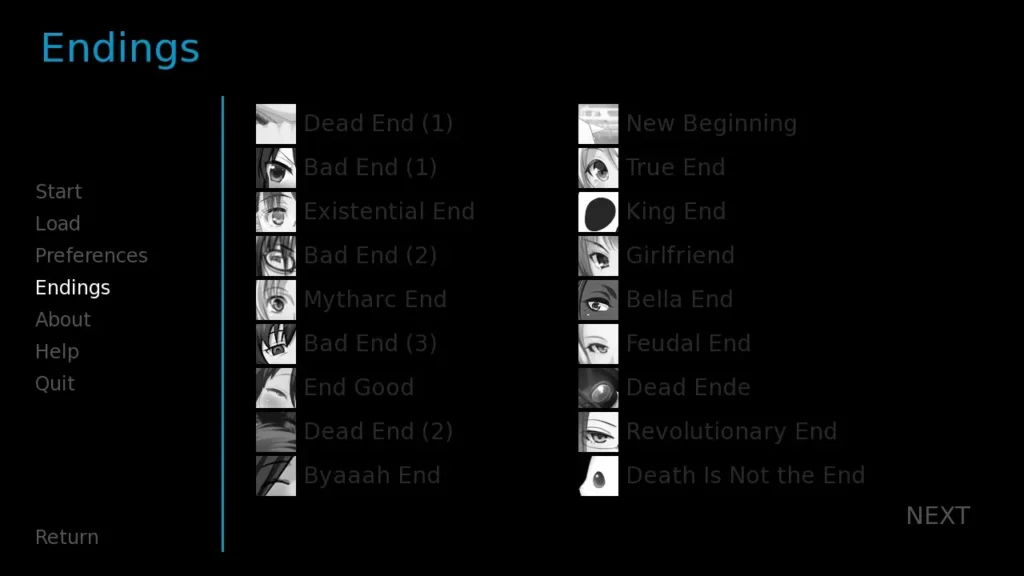
Boat review
Explore Boat’s story, choices, and strategies with a practical, player-focused guide
Boat is a story-driven game that blends character interaction, meaningful choices, and gradual progression into a focused, adult-oriented visual experience. Many players discover Boat through recommendation or curiosity and then quickly realize they want a clear, human, hands-on guide to understand how the narrative works, how their choices matter, and how to get the most out of every scene. In this article, we’ll walk through Boat’s core premise, major features, and practical strategies in a conversational way, as if we were comparing notes after a long evening session with the game.
What Is Boat and Why Has It Become So Talked About?
Ever scrolled through your favorite game store and seen a title called Boat and wondered what all the chatter is about? 🤔 You’re not alone. When I first saw it, I wasn’t sure what to expect. Was it a sailing sim? A survival adventure? Let me clear that up right away: Boat is a beautifully crafted, narrative-driven experience that belongs firmly in the visual novel style of games. If you’re someone who gets lost in a good book or loves films where the characters feel real, you’re in the right place.
This isn’t a game about high scores or complex mechanics; it’s about people, moments, and the quiet ripple effects of your decisions. Having played through it multiple times, I’m here to give you the real scoop on what the Boat game is about, why its story resonates, and whether it should be your next download. This Boat game review is based purely on my time with it, so let’s dive in. 🚤
Boat Game Overview: Premise, Tone, and Audience
So, what is the Boat game about at its core? You step into the worn-out shoes of Alex, a person searching for a fresh start after a personal crisis. The setting isn’t a fantastical realm, but a beautifully rendered, slightly weathered coastal town. Your world is the docks, the local café, the evening waterfront, and the titular boat—a fixer-upper that becomes both a project and a metaphor. The Boat game story progresses through a series of days and chapters, each one giving you time to talk to the town’s residents, make choices about how to spend your time, and slowly piece your life back together.
The tone is profoundly relaxed and introspective. Think less “edge-of-your-seat” and more “cup-of-tea-in-hand” contemplative. There are dramatic, even intense moments, but they grow naturally from the characters and your bonds with them. The Boat visual novel style means progression is handled through dialogue, environmental exploration, and key choices. You’ll click through conversations, observe detailed scenes, and make decisions that feel small in the moment but can shape your path.
If you’re coming from action-packed games, the pace might seem slow. But that’s the point. Boat is a character-driven experience. You’re not here to win; you’re here to connect, reflect, and see a story unfold based on who you choose to be. The game’s beauty is in its simplicity and emotional honesty.
Here’s a quick list of why players, myself included, have fallen for this game:
* Story Focus: A poignant, human narrative about healing and connection.
* Meaningful Choices: Your dialogue selections genuinely influence relationships and outcomes.
* Atmosphere: A stunning, melancholic coastal vibe that’s a character itself.
* Replay Value: Different choices lead to different endings and character arcs.
How Boat’s Storytelling and Choices Set It Apart
This is where Boat truly shines and earns its buzz. Many games promise “your choices matter,” but here, they weave into the narrative fabric in a way that feels organic, not like ticking boxes. The Boat game choices system is subtle. It’s less about choosing “Good” or “Evil” and more about deciding whether to be open or guarded, pragmatic or hopeful, interested or distant.
Early conversations set the tone for entire relationships. The game remembers everything, rewarding you for paying attention to character personalities and the town’s recurring themes. Want to see all the content? You’ll need multiple playthroughs, and thankfully, the journey is compelling enough to warrant them.
Let me give you a real example from one of my runs. In my first playthrough, early on, I met Leo, a gruff fisherman. He offered me a coffee. I was trying to be polite and self-sufficient, so I declined, saying “I’m fine, thanks.” It seemed insignificant. Fast forward several in-game days. I was struggling to fix part of my boat, and Leo showed up to help. The conversation was friendly but brief, all business.
On my second run, I accepted that coffee. We shared a quiet moment on the dock at sunrise. I learned a snippet about his past. Later, during that same boat-fixing scene, he not only helped but shared a personal story about his father teaching him the same repair, adding a layer of warmth and camaraderie that was completely absent before. A tiny, seemingly mundane choice about hospitality had quietly unlocked a deeper level of connection. That’s the magic of Boat.
To visualize how these branches can work, here’s a simple breakdown of how one early interaction can diverge:
| Your Early Choice | Immediate Reaction | Potential Long-Term Story Effect |
|---|---|---|
| Ask about a character’s family photo | They seem surprised but pleased. | They may later confide in you about a personal loss, becoming a key support for you. |
| Ignore the photo, talk about the weather instead. | The conversation remains polite but surface-level. | The relationship stays cordial but distant, and you might miss a crucial offer of help later. |
This structure makes every playthrough personal. Your Boat game story becomes your story. It encourages you to listen, not just click through, because paying off a character’s trust feels earned and meaningful. Compared to more mainstream narrative games like Life is Strange, Boat is quieter and more intimate, with a narrower focus that allows for deeper, more nuanced character exploration.
Is Boat Worth Playing If You’re New to This Genre?
This is the big question: is Boat worth playing for someone who doesn’t usually pick up visual novels or slower narrative games? 🧐 From my experience, absolutely—but with the right expectations.
Boat will be a perfect fit if you:
* Love interactive stories where your input shapes the narrative.
* Appreciate slower pacing that lets atmosphere and character development breathe.
* Prefer thoughtful, emotional journeys over fast-paced action or competition.
* Enjoy looking at gorgeous artwork and listening to fitting soundtracks that pull you into a world.
Think of it less as a traditional “game” and more as a playable, branching novel. The joy comes from exploration of character, not mechanics.
However, let’s be balanced in this Boat game review. There are potential drawbacks to consider:
* Limited Mechanical Depth: If you need constant gameplay stimulation, you might find it too passive.
* Pacing: The slow burn is intentional, but it won’t suit everyone.
* Repetition Risk: If you try to speed-run without exploring dialogue, the experience will feel flat and repetitive. Rushing is the enemy here.
So, my final personal opinion? Boat is absolutely worth trying. It shines brightest when you meet it on its own terms. Don’t play it when you’re craving adrenaline. Play it when you want to unwind, immerse yourself in a poignant story, and reflect on the small choices that define our relationships. It’s a masterclass in subtle, character-driven storytelling within the visual novel style.
For a newcomer to the genre, Boat is a fantastic starting point. Its relatable themes, beautiful presentation, and meaningful but accessible choice system make it a welcoming and deeply rewarding experience. Give it a chance, talk to everyone, and let the current of its story pull you in. You might just find, as I did, that its quiet harbor is a place you’ll want to return to again and again. 🌅
Boat is the kind of game that quietly grows on you the more time you spend with its characters and routes. Instead of relying on complex systems or fast-paced action, it leans into conversation, atmosphere, and the tension of small but meaningful choices. When you take your time, read carefully, and experiment with different dialogue paths, the experience becomes richer and more personal with every run. If you enjoy interactive stories and want something you can slowly unravel over multiple sessions, Boat is a strong candidate for your next deep dive. Give it a fair, unhurried chance and treat each route like a new perspective on the same world.