Deathable
Play Deathable
Deathable Screenshots
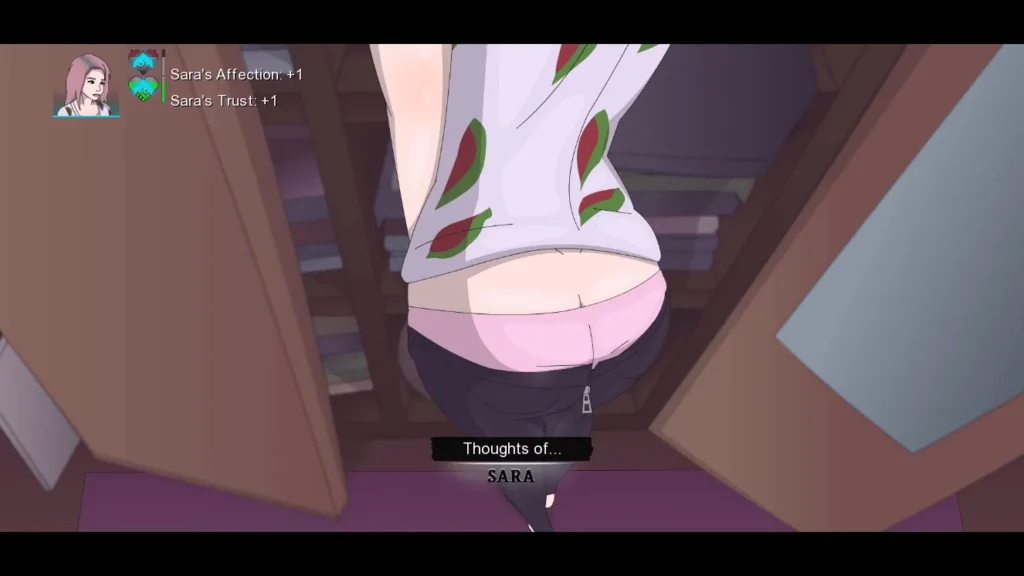






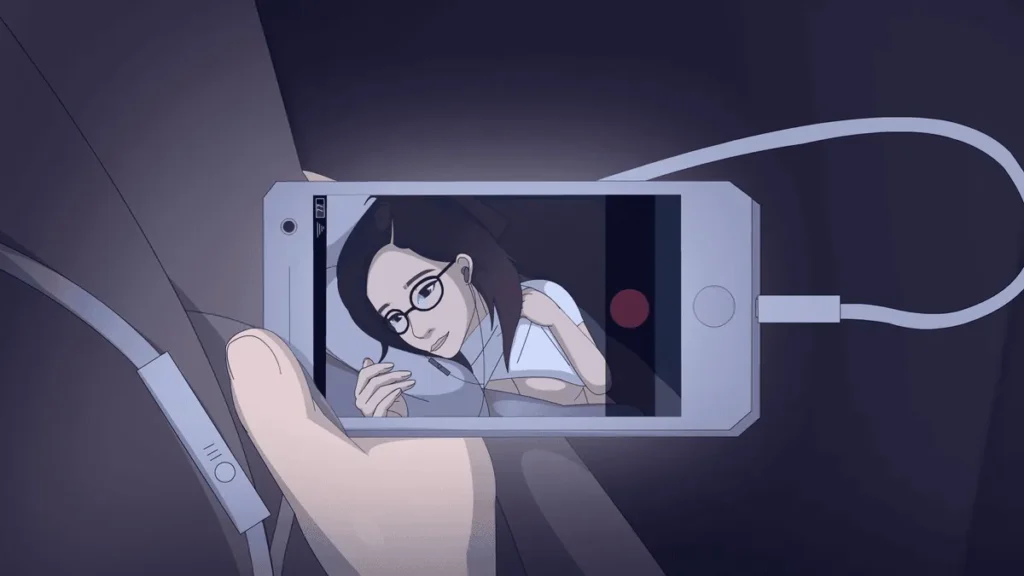

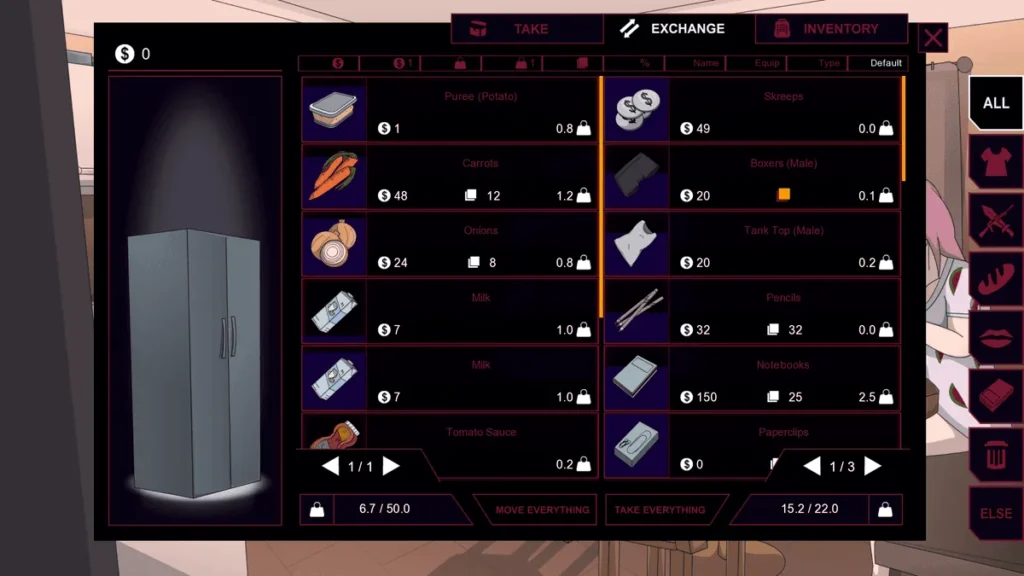


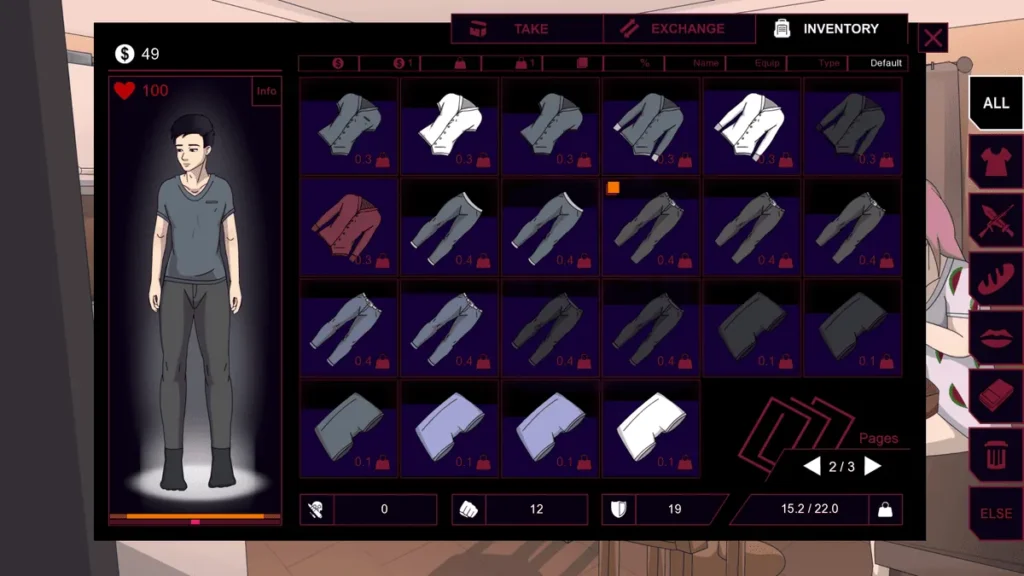
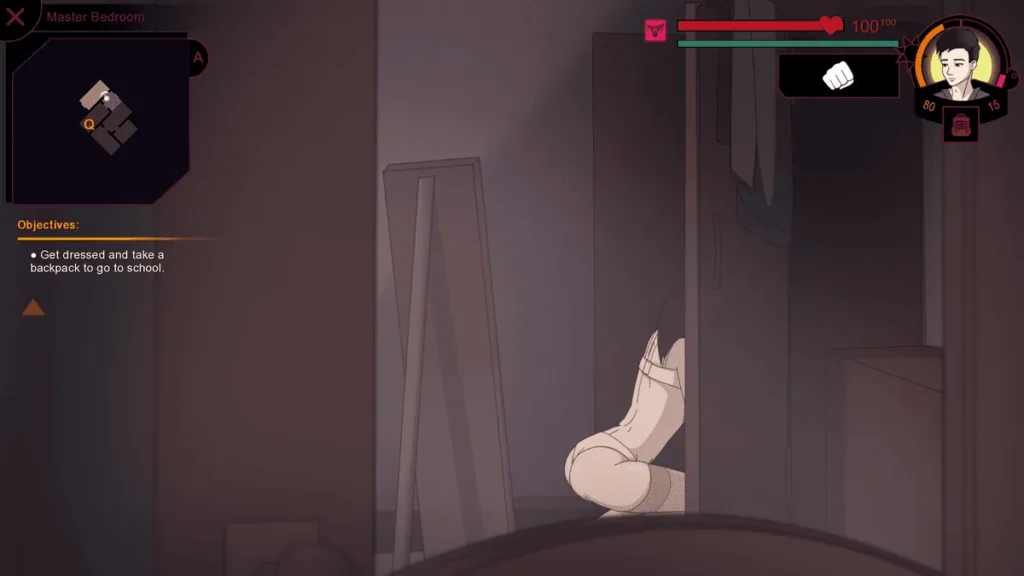
Deathable review
Explore the post-apocalyptic visual novel experience with choices that matter
Deathable stands out as a unique post-apocalyptic visual novel that combines dystopian storytelling with interactive narrative choices. This game immerses players in a world where monstrous creatures have emerged from the earth, fundamentally transforming civilization. The core experience revolves around two radically different characters forced into cohabitation, where your decisions directly shape their fate and relationship dynamics. Whether you’re a visual novel enthusiast or exploring narrative-driven games, Deathable offers an engaging blend of choice-based gameplay and character-driven storytelling that keeps players invested in multiple playthroughs.
Understanding Deathable: Game Overview and Core Mechanics
So, you’re looking at the bleak, ruined landscape of yet another game menu, scrolling past titles that all feel the same. Another story, another hero, another set of decisions that don’t seem to matter in the end. You know the feeling—you click an option, and it feels like you’re just picking a different colored door to walk through, only to end up in the same room. 🚪 I felt that way too, until I stumbled into the world of Deathable, a choice-based narrative game that completely changed my expectations. This isn’t just a story you read; it’s a world you carve with your own hands, one fraught decision at a time. Let’s get you prepped and ready to dive in.
Welcome to our complete guide. Think of this as your survival manual for the emotional and narrative wilderness you’re about to enter. We’re going to break down everything that makes this interactive storytelling experience so compelling, from its lonely outposts to the heart-pounding moments where a single dialogue choice changes everything.
Before we delve into the ruins, here’s a quick logistical snapshot of what you’re getting into. This table covers the essential tech specs you need to know. 📋
| Specification | Details |
|---|---|
| Game Title | Deathable |
| Primary Genre | Visual Novel / Interactive Fiction |
| Core Experience | Decision-Driven Visual Novel |
| Setting | Post-Apocalyptic Earth |
| Key Platforms | Android (via APK), itch.io (PC) |
| Estimated File Size | ~1022 MB |
| Central Gameplay | Dialogue Choices & Relationship Management |
What Makes Deathable a Unique Visual Novel Experience
At its core, Deathable is a masterclass in pressure-cooked storytelling. Most games promise a world that reacts to you, but few deliver with such intimate, relentless consistency. What separates this from other titles on your phone or PC? It’s the brutal, beautiful weight of consequence.
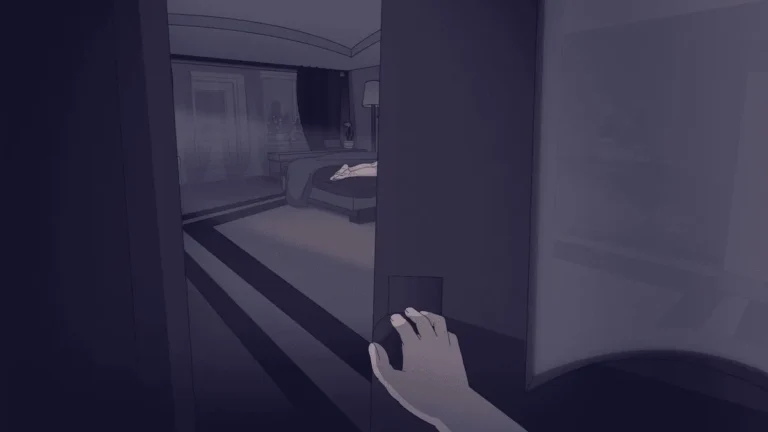
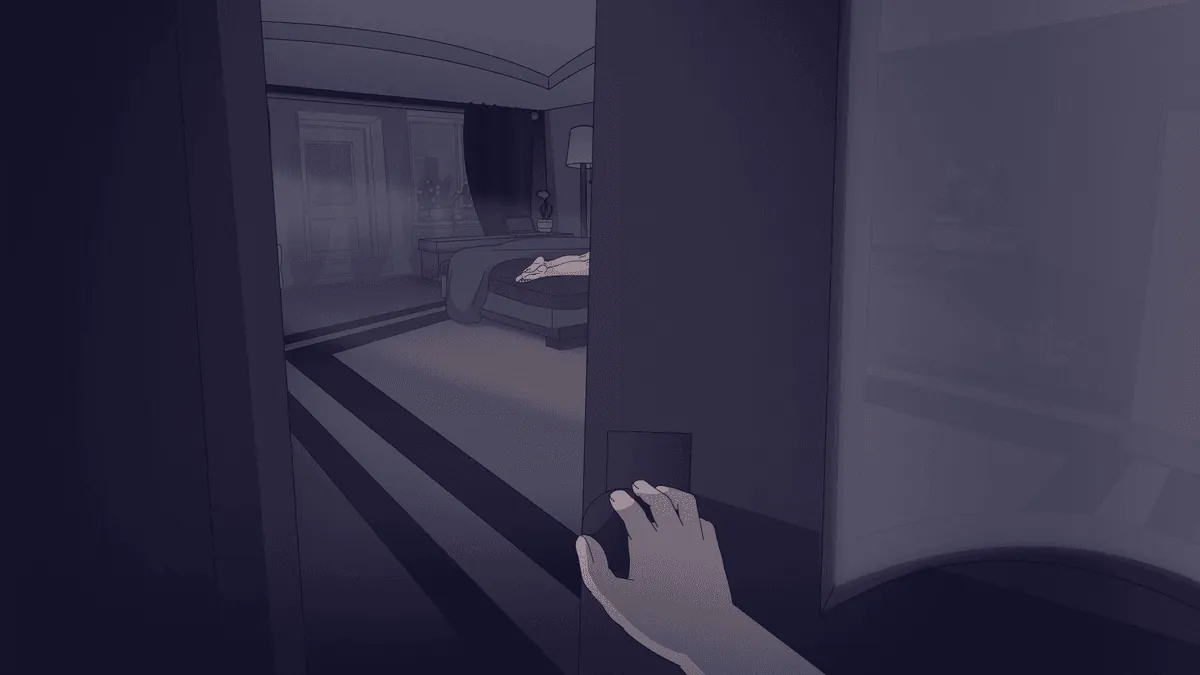
Picture this: you are utterly alone. Society has crumbled not from war or plague, but from something rising up from below—monstrous entities that turned our cities into graveyards. Your character lives in a precarious sanctuary on the edge of a dead metropolis. The silence is your only companion, broken only by the distant, unsettling sounds of the world that remains. This solitude is your entire existence… until it isn’t. One night, a paranormal visitor arrives. This isn’t a friendly neighbor; it’s a being of immense power and a completely alien perspective, forced by circumstance into your fragile orbit. 🏚️👁️
This setup is the engine for the entire Deathable visual novel experience. You aren’t playing to “win” in a traditional sense. You’re playing to survive, to understand, and to navigate a relationship with a creature that could be your only salvation or your final doom. The game strips away combat, complex inventory puzzles, and sprawling maps. Instead, it focuses laser-like on the character relationship dynamics game at its heart. Every conversation is a negotiation. Every shared glance (or lack thereof) in the beautifully stark artwork builds tension. I remember one playthrough where I chose to be sarcastically dismissive early on, thinking it would show strength. Hours later, that single moment of bravado closed off a crucial path of mutual understanding, leading to a profoundly lonely and bleak ending. The game remembered, and it made me feel every bit of that regret.
The post-apocalyptic game mechanics here aren’t about scavenging bottle caps or crafting weapons. They are psychological and emotional. Your resources are trust, fear, curiosity, and empathy. Managing these determines whether your story ends in tragic isolation, fragile alliance, or something else entirely. This focus makes Deathable a uniquely personal interactive storytelling experience. You’re not just guiding a character; you’re defining the very nature of connection in a world that has outlawed it.
How Choices and Dialogue Shape Your Story
If the setting is the stage, then your choices are the only script. This is where the Deathable gameplay features truly shine, transforming it from a simple story into a deeply decision-driven visual novel. Forget the illusion of choice; here, every option carries real, often unpredictable, narrative mass.
The game operates on a deceptively simple loop: encounter a situation, engage in dialogue, make a choice. But beneath that surface is a complex web of cause and effect. The game tracks your temperament, your past decisions, and the evolving dynamic between you and your otherworldly companion. A choice that seems compassionate in one context might be seen as weak or manipulative in another, depending on what you’ve said before. It’s less like navigating a flowchart and more like tending to a delicate, and sometimes volatile, flame. 🔥
Let’s talk about the key mechanics that power this system. These aren’t just features; they’re the tools you’ll use to sculpt your unique tale.
- The Dialogue Wheel with Teeth: Conversations present you with multiple responses, but they are rarely clear-cut “good” or “bad” options. You might choose between defiant silence, cautious curiosity, or aggressive questioning. The game rarely signposts where these will lead, forcing you to act on instinct and your understanding of the characters.
- Hidden Relationship Metrics: While you won’t see a numerical “trust bar,” the game is constantly calculating the state of your bond. This invisible score influences which dialogue branches become available, how your companion reacts to you, and ultimately, which endings you can unlock.
- The Pacing of Revelation: Information is your most valuable currency. You can choose to press for answers immediately, potentially alienating your visitor, or you can bide your time, building a fragile trust to learn deeper, more dangerous truths. This controls the rhythm of the entire narrative.
- Contextual & Environmental Choices: Sometimes, the most important choice isn’t what you say, but what you do. Investigating a specific object in your shelter, deciding to share scarce resources, or choosing where to look during a tense moment can all open up or shut down entire story threads.
- The “Point of No Return” Philosophy: Certain key decisions act as narrative locks. They fundamentally alter the trajectory of the story, closing off some possibilities while birthing others. There’s no going back, making these moments incredibly tense and significant.
My Tip: On your first playthrough, abandon the idea of a “perfect” run. Play authentically. React as you would if you were truly in that broken world. The raw, unfiltered experience is where Deathable is most powerful. You can always chase different endings later.
This system creates an incredible replayability factor. My first ending was somber and resigned. Intrigued, I played again, making more openly hostile choices, and witnessed a shocking, violent conclusion. A third run, where I focused on empathetic listening and small acts of kindness, unfolded a narrative of bittersweet hope I didn’t think was possible. Each playthrough felt like a different story using the same characters and setting, which is the true hallmark of a masterful choice-based narrative game.
The Post-Apocalyptic Setting and World-Building
The world of Deathable is a character in itself—a silent, oppressive, and profoundly lonely one. This isn’t the bombed-out, desert wasteland of many post-apocalyptic game mechanics. This is a world violated from within. The monsters emerged from the earth itself, making the very ground you walk on feel untrustworthy. Civilization wasn’t just destroyed; it was consumed and forgotten. 🌍💀
You experience this world from a single, powerful vantage point: your shelter on the city’s outskirts. The brilliant world-building happens through implication and exquisite detail. You won’t get a history textbook. Instead, you learn through the scattered notes you find, the crumbling state of the architecture in the background art, and the rare, haunting descriptions of what the city used to be. Your companion’s reactions to your world—their confusion, disgust, or fascination—also serve as a mirror, reflecting the tragedy of what was lost through an alien lens.
This setting does more than provide a cool backdrop; it directly fuels the interactive storytelling experience. The isolation justifies the intensity of the relationship. With no other humans, no communities, no distractions, every interaction with your visitor is magnified. Their presence is the most significant event in your world since the fall. The dystopian elements create a pressure cooker where themes of trust, coexistence, and the definition of “monster” are tested daily.
The Deathable visual novel uses its aesthetic to deepen this feeling. The art style often leans into stark contrasts and muted colors, with moments of surreal, almost dreamlike beauty when the paranormal elements manifest. The sound design—the howling wind, the creak of your shelter, the unsettling stillness—is a constant reminder of your vulnerability. This isn’t a world you explore with a sprint button; it’s a world you feel through atmosphere and constrained perspective.
Ultimately, the post-apocalyptic game mechanics and setting are the perfect forge for the game’s central question: in a world stripped of everything, what is the value of a single, incomprehensible connection? Is it worth the risk? Your answers, played out through every hesitant conversation and every shared moment of silence, are the story.
Deathable proves that the most compelling adventures aren’t always about saving the world. Sometimes, they’re about saving a single, fragile understanding between two lost beings. It’s a game that stays with you, a reminder of the narratives we build not with swords, but with words and choices. Your shelter awaits, and a visitor is knocking. The only question that remains is: how will you answer the door? 🚪✨
Deathable delivers a compelling visual novel experience that prioritizes player agency and narrative consequence. The game’s strength lies in its ability to weave together a dystopian setting with intimate character dynamics, creating a world where your choices genuinely matter. From the initial premise of two incompatible characters forced into cohabitation to the branching story paths determined by your decisions, Deathable offers substantial replay value for players seeking meaningful interactive storytelling. Whether you’re drawn to post-apocalyptic narratives or appreciate games where dialogue and choice-making drive the experience, Deathable presents an engaging adventure that challenges you to navigate complex relationships and moral decisions. For those interested in exploring this unique visual novel, the game is readily available across multiple platforms, making it accessible to a wide audience of narrative-focused gamers.