
Demon Boy
Play Demon Boy
Demon Boy Screenshots







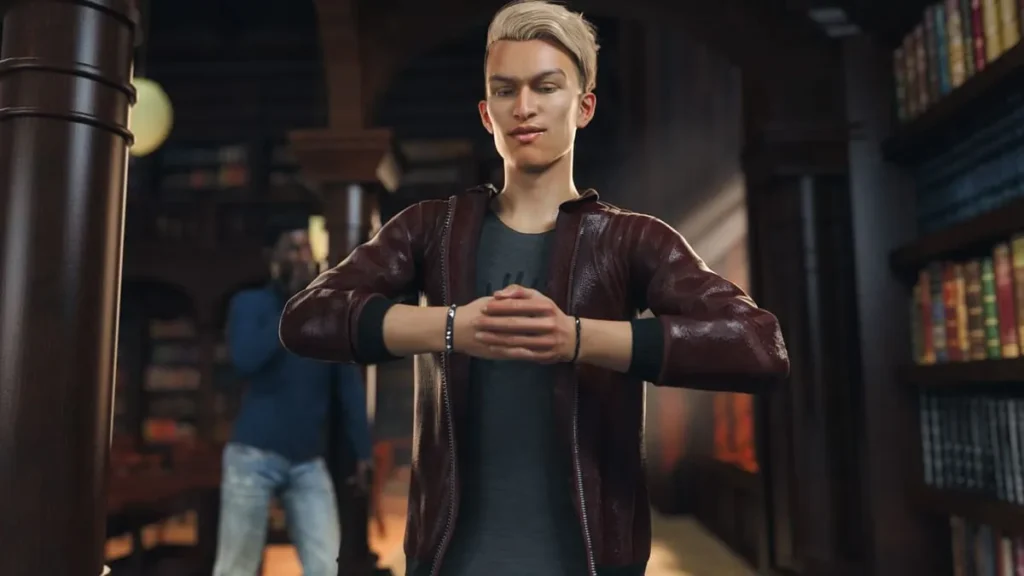




Demon Boy review
Master Choices, Relationships, and Secrets in This Addictive Visual Novel
Ever stumbled upon a game that flips your world upside down, blending raw power fantasies with heart-pounding choices? That’s Demon Boy for you—a gripping visual novel where you’re a bullied kid who discovers a mysterious book, unleashing your inner demon. Suddenly, schoolyard tormentors and your strict landlady become pawns in your rise to dominance. I’ve sunk hours into Demon Boy gameplay, and let me tell you, the branching paths and steamy encounters had me replaying nights on end. Whether you’re chasing corruption or romance, this guide hooks you from the first choice. Dive in to uncover Demon Boy features that make it unmissable.
What Makes Demon Boy Gameplay So Addictive?
Ever find yourself clicking through a visual novel, enjoying the story but feeling like you’re just along for the ride? 😴 That’s the exact feeling Demon Boy gameplay obliterates. From the moment you step into the shoes of a half-human, half-demon teenager navigating a supernatural high school, you realize this isn’t a passive experience. Your choices aren’t just dialogue flavor—they are the very fabric of the world, your relationships, and your power. The addictiveness of Demon Boy isn’t an accident; it’s a masterclass in design where every click feels weighted with consequence, and every playthrough whispers of roads not taken.
So, what’s the secret sauce? Let’s peel back the curtain on the Demon Boy features and mechanics that will have you saying, “Just one more day cycle…” until 3 AM. 🌙
Core Mechanics: Choices That Shape Your Destiny
At its heart, how to play Demon Boy is about mastering a delicate, dynamic balance. You’re constantly juggling three core resources: your Soul Sparks (currency for special actions and unlocking power), your Influence Meter (how much sway you hold over human and supernatural peers), and the ever-tempting Corruption Meter (the strength of your demonic heritage). These aren’t hidden stats you check in a menu; they are lived experiences.
The game’s brilliant Demon Boy mechanics make these resources visible through environmental storytelling. Is your character’s portrait flickering with a subtle red aura? Your corruption is rising. Do NPCs greet you with wary glances or eager smiles? Your influence is shifting. This seamless integration means you’re always aware of your standing without breaking immersion.
The true genius, however, lies in the Demon Boy choices. You’re rarely picking between obvious “good” or “evil” options. Instead, you navigate morally grey areas that feel authentically tough. For example, early on, you might discover a rival summoning a minor imp to cheat on exams. Do you:
* Report them to the strict prefect, gaining influence but making a powerful enemy?
* Blackmail them for Soul Sparks, boosting your resources but raising your corruption?
* Offer to help them control the imp, expending your own Sparks to build a risky alliance?
I learned this the hard way on my first playthrough. I thought it would be funny to openly mock the stoic head of the Occult Studies club. Big mistake. 😅 That single, arrogant choice didn’t just make him dislike me—it drastically lowered my Influence with the entire scholarly faction and triggered a wild, unexpected boss battle against a summoned guardian I was wholly unprepared for. It was a total game-changer that taught me to respect every interaction.
To show you just how Demon Boy stands out, let’s break down its core design philosophy compared to a more standard visual novel experience.
| Feature | Demon Boy | Typical Visual Novels |
|---|---|---|
| Branching Paths | Dynamic, systemic web where small choices compound to create vastly different story arcs and locations. | Often limited to a few major decision points leading to set routes. |
| Player Agency | High. Choices affect world state, character abilities, available quests, and relationship dynamics in real-time. | Moderate to Low. Agency often limited to determining which character’s route you follow or reaching a specific ending. |
| Resource Management | Integrated core system (Soul Sparks, Influence, Corruption) that gates content and powers abilities. | Rare. Progression is typically linear and narrative-driven without resource systems. |
| Consequence Visibility | Immediate and long-term. Visual cues (portraits, environments) and delayed reactions show impact. | Often deferred until ending sequences or major plot flags, with less immediate feedback. |
| Replay Incentive | Extremely high due to mutually exclusive content, hidden storylines, and gameplay-altering power builds. | Moderate, primarily to see different character endings or narrative variations. |
Branching Paths and Multiple Endings Explained
If the core mechanics are the engine, the Demon Boy branching paths are the breathtaking, unpredictable landscape you get to explore. This isn’t a “choose path A or B” novel. It’s a living ecosystem where your decisions propagate. Helping a character in Act 1 might open up a whole new district of the city in Act 3, while ignoring them could see that area locked down by supernatural threats.
The much-talked-about Demon Boy multiple endings are the direct result of this philosophy. You won’t just get a “good,” “bad,” and “true” ending. You’ll get endings based on who you allied with, what power you embraced, the state of the world you left behind, and the ultimate fate of your humanity. Did you become a benevolent demon king ruling from the shadows? A human hero who purged their bloodline? A tragic figure consumed by corruption and isolated from all you loved? Each ending feels earned and deeply personal to your journey.
This is where the addictive replayability kicks in. 🎮 Knowing that your first playthrough, which took 15 hours, only revealed about 40% of the game’s total content is exhilarating. You’ll start a new game not just to pick different dialogue, but to experience entirely new story beats, unlock secret abilities, and meet characters your previous actions rendered invisible.
How to Unlock Hidden Content and Secrets?
Demon Boy loves rewarding the curious, the bold, and the observant. Unlocking its best secrets isn’t about following a guide line-by-line; it’s about engaging deeply with its systems. Here’s your actionable playbook.
First, embrace the time cycle. The day/night phases aren’t just for atmosphere. Certain characters, quests, and locations are only available during specific times. That mysterious alleyway might be just a dead end during the day, but become a portal to a demon market at night. Always revisit areas after major story beats or when your meters shift.
Second, experiment with your meters. A high Corruption level isn’t a “fail state”—it’s a key to a different set of Demon Boy features. It might grant you access to intimidating demon-only quests or unique dialogue options that brute-force solutions. Conversely, a pure, low-Corruption run might open up serene, hidden sanctuaries and pure-hearted allies. The secret is to not try and balance them perfectly on a first run. Lean into a direction and see where it takes you!
Third, talk to everyone, repeatedly. Relationships evolve, and characters drop new hints as the story progresses and your Influence changes. That shy library ghost you comforted on Day 2 might become the crucial informant you need on Day 10.
Finally, manage your Soul Sparks wisely. Don’t spend them all on temporary power boosts. Save them for critical moments that can alter a relationship’s course or to permanently unlock a Demon Boy mechanic like “Soul Sight,” which reveals hidden interactions and clues in the environment.
Pro Tip for Your First Playthrough: Resist the urge to min-max or look up the “best” choices. The most magical Demon Boy gameplay moments come from following your gut instinct. Trust your roleplay, live with the consequences, and let your unique story unfold. You can always optimize for secrets later!
- Listen to the audio cues: A subtle chime or dissonant chord during a choice can hint at its supernatural weight.
- Check character portraits: Small changes in expression or background detail after key events often hold narrative clues.
- Combine time and location: The secret to many puzzles is being at the right place at a very specific story moment.
- Don’t fear failure: Some of the most memorable scenes and hidden Demon Boy features are locked behind “failed” checks or seemingly negative outcomes.
There you have it—Demon Boy isn’t just a game; it’s your ticket to a world of power, temptation, and tough choices that stick with you. From mastering gameplay loops and meters to forging (or breaking) intense relationships, every path offers thrills I can’t get enough of. My own journeys through corruption and romance showed me how replaying uncovers endless depth. Ready to tap into your inner demon? Fire up Demon Boy today, make those bold decisions, and share your wildest ending in the comments—I’d love to hear your story!