Dungeon Days
Play Dungeon Days
Dungeon Days Screenshots














Dungeon Days review
Explore immersive gameplay, reactive worlds, and thrilling encounters in this standout title
Hey there, fellow adventurer! If you’re diving into Dungeon Days, you’re in for a treat that’s unlike anything else in the adult gaming scene. This gem from Abnormalsoftware blends deep dungeon exploration with a reactive world where every choice shapes your journey. Picture sprawling maps packed with secrets, NPCs who remember your every move, and a dynamic environment that evolves based on your actions. I still recall my first playthrough—stumbling upon a hidden passage that unlocked a whole new questline. It’s not just about the thrills; it’s the immersion that hooks you. Stick around as we break down what makes Dungeon Days a must-play, from core mechanics to tips for maximum enjoyment.
What Makes Dungeon Days Stand Out in Adult Gaming?
I still remember the moment I realized Dungeon Days was something different. I was in the grimy hamlet of Brackwater, a place most games treat as a one-stop quest hub. A local farmer, his face etched with worry, was complaining about a missing daughter. In a typical game, you’d accept the quest, go kill the thing, and collect your gold. Here, I had a choice: offer my sword arm for a fee, promise to help out of kindness, or even suggest the daughter probably ran off with a traveling bard for a more exciting life. 😅 I chose to help without asking for payment.
Weeks of in-game time later, after a brutal dungeon crawl far to the north, I stumbled back into Brackwater, battered and broke. Before I could even reach the tavern, that farmer rushed out, not with a generic “thank you,” but with a packed lunch and a whispered tip about a hidden family heirloom buried near his old barn—a piece of gear perfectly suited for my class. That’s when it clicked. The world wasn’t just a backdrop; it was listening. This wasn’t a transaction; it was a relationship. This deep, reactive world Dungeon Days crafts is the absolute core of what makes it a legendary adult adventure.
So, what is Dungeon Days game really? At its heart, it’s a fantasy RPG built for players who are tired of static worlds and predictable stories. It’s a game where your actions, reputation, and even your fashion choices ripple outwards, changing not just dialogue but the physical and social landscape around you. Let’s break down the Dungeon Days unique features that make it an unforgettable experience.
Why the Reactive World Changes Everything
Forget NPCs with three lines of dialogue on a loop. In Dungeon Days, every character is a cog in a vast, living machine. The reactive world Dungeon Days is famous for operates on systems that track everything from your faction standing to the dirt on your boots.
- NPCs with Memory: That bandit you spared? You might find him running a legitimate guard post in a town you helped rebuild. The noble you publicly embarrassed will send assassins after you, but his spurned spouse might slip you a key to his manor. Your reputation as a “problem solver” or a “thug” opens and closes doors—literally. Shops might raise prices if you’re known as a ruthless mercenary, or offer you steep discounts if you’re the hero who saved their cousin.
- Dynamic World States: Towns can be besieged and ruined. If you rally defenses and win, they enter a “rebuilding” phase, with new vendors and quests appearing over time. Ignore their pleas, and you might return to smoldering ruins inhabited by scavengers and new, darker quest lines. This constant state of flux makes Dungeon Days exploration a persistent thrill; you never know what you’ll find.
- Gear That Talks: Walk into a royal court dressed in the furs of a savage beast you slew, and you’ll command respect (or fear). Saunter in wearing the iconic armor of a hated rival guild, and expect drawn swords and harsh words. The game’s systems check your apparel, your visible weapons, and even your cleanliness, altering interactions on the fly.
This creates a Dungeon Days immersive gameplay loop that feels less like checking off tasks and more like living a story. My practical advice? Pick a persona and lean into it. Decide if you’re a honorable knight, a cunning rogue, or a self-serving opportunist, and make choices that fit. The world will reflect that back to you in stunning detail, creating a Dungeon Days adult adventure that feels deeply personal.
To see just how different this is, let’s compare it to the standard fare:
| Feature | Typical Adult Game | Dungeon Days | Player Impact |
|---|---|---|---|
| Reactive Dialogue | Dialogue trees are static; choices may lead to a short-term scene but don’t change long-term relationships. | NPCs remember past interactions, your reputation, and current world events, offering unique dialogue and quests that can appear hours later. | Creates meaningful, persistent relationships. You feel your impact on the social world, not just your inventory. |
| Dynamic World | The game world is visually and structurally static from start to finish. | Towns, factions, and environments change states (prosperous, besieged, ruined, rebuilding) based on player and scripted events. | Exploration has lasting consequences and genuine surprises. No two playthroughs have the same map feel. |
| Character Perception | NPCs react solely to quest flags (e.g., “Quest Completed: Yes/No”). | NPCs react to your visible gear, faction insignias, current health, cleanliness, and past deeds, changing their tone and options immediately. | Deepens role-playing immersion. Your “look” and style become part of your character’s story and tools. |
Seamless Exploration: No Load Screens, All Immersion
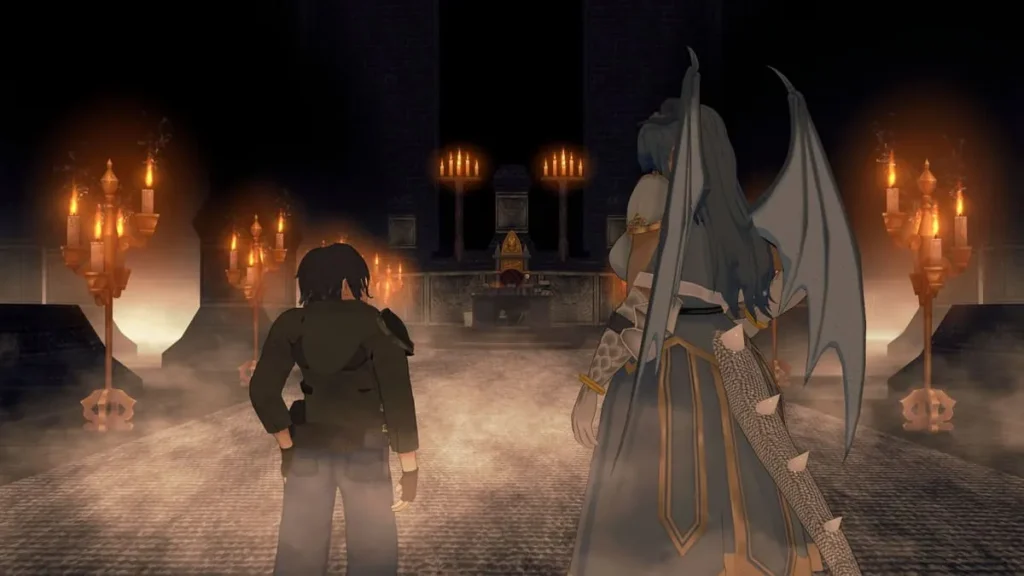
One of the biggest breakers of immersion is the dreaded loading screen. 📺 Dungeon Days obliterates this barrier. The world is one massive, interconnected continent. You can walk from the sun-baked deserts of the south, through the bustling central trade roads, into the foreboding, mist-shrouded forests of the north without a single loading interrupt.
This Dungeon Days exploration design philosophy is a game-changer:
- Organic Discovery: You see a strange light on a distant hill at night? You can just go there. No zone gates, no transitions. This makes the world feel tangible and real, encouraging you to stray from the path simply because you can.
- Dynamic Events in Real-Time: You might be tracking a beast through a forest when you suddenly hear the clash of steel over the next ridge. A patrol is engaging monsters. You can rush to help, sneak past, or wait to loot the aftermath. These events happen in the shared world space, not in isolated instances.
- Environmental Storytelling: The seamless world allows for subtle, unmarked storytelling. Following a trail of broken carts and discarded belongings might lead you to a bandit hideout entrance cleverly hidden in a cliff face. The game trusts you to observe and investigate, rather than plastering a giant “!” on your map.
The practical tip here is simple: Turn off your quest marker obsession. 🧭 Often, the most rewarding secrets and side stories in Dungeon Days aren’t in your journal. They’re in the note pinned to a corpse you find in a bog, or in the frantic ramblings of a wounded scout you encounter on the road. Look, listen, and wander. This is how Dungeon Days immersive gameplay truly shines, making you an active explorer, not a UI follower.
Contextual Puzzles That Feel Alive
Tired of “find the three sacred stones to open the door” puzzles? So is Dungeon Days. The game replaces generic inventory puzzles with contextual challenges that are woven directly into the environment and the logic of its reactive world.
These aren’t puzzles you “solve” so much as situations you “resolve” using the tools and knowledge the world gives you. For example:
* You need to cross a chasm in ancient ruins. Instead of hunting for a “Bridge Lever,” you notice the giant, petrified spider webs. A fire spell or torch might weaken them to collapse into a rope bridge, but that could alert the spider matriarch lurking below. Or, you could use a climbing axe on the stone pillars, a slower but quieter method.
* Need to get past a suspicious noble’s guard? You could fight, but maybe you noticed the noble’s house crest matches a rival family you helped earlier. Wearing their signet ring (a trinket you found ages ago) might get you a respectful nod instead of a confrontation.
This approach makes every challenge feel like part of the world, not a video game abstraction. How Dungeon Days world reacts to your problem-solving is key—it acknowledges clever, environmental thinking. My insight? Observe first, act second. 🔍 Scan the room, read the books on the shelf, listen to enemy conversations. The solution is almost always hinted at in the environment itself. This makes the Dungeon Days adult adventure intellectually satisfying, rewarding players who pay attention to the rich world details.
The beauty of all these systems is the incredible replay value. Your first playthrough as a righteous hero saving villages will be fundamentally different from a second as a greedy treasure hunter who lets towns fall to raid their vaults. The decision tree isn’t just “good vs. evil”; it’s “honorable knight vs. pragmatic mercenary vs. chaotic opportunist,” and the world remembers your brand of chaos.
This is why Dungeon Days excels in the adult gaming sphere. It’s not just about mature themes; it’s about mature gameplay. It respects your intelligence, rewards your curiosity, and presents a world that feels genuinely responsive and alive. It delivers a powerful, personal fantasy where you aren’t just following a story—you’re writing it with every action, and the world is your co-author. ✍️
Pro Tip: Want to really leverage the reactive systems? Early on, pick one or two factions to consistently help. Becoming a “Friend” or “Ally” unlocks unique gear, deep discounts from their vendors, and even special reinforcements you can call in during tough overworld fights. It pays to have friends in a living world!
Your Dungeon Days Quick Guide
How do my choices really affect the game world?
Your choices create permanent shifts in faction reputations, lock or unlock entire quest lines and areas, determine which NPCs live or die, and change how characters speak to you. The world state (e.g., peaceful, war-torn, prosperous) is a direct result of your major decisions.
What’s the best strategy for exploration?
Go off the beaten path! The best secrets aren’t marked. Talk to everyone, revisit locations after major story events, and pay close attention to environmental clues like unusual landmarks, scattered notes, and overheard NPC conversations.
Can I mess up my playthrough with a bad choice?
There are no “game over” choices, only different story paths. Letting a town fall might close some opportunities but opens up new, darker quests in the ruins. Dungeon Days is about living with consequences, not avoiding failure.
Is there a “best” way to build my character for the reactive world?
Charisma and Perception are incredibly powerful stats. Charisma opens up new dialogue solutions and better prices, while Perception helps you spot hidden environmental clues and secrets, which are crucial for many contextual puzzles.
There you have it—Dungeon Days isn’t just another title; it’s a living, breathing world that rewards your curiosity and choices with unmatched depth. From reactive NPCs and evolving landscapes to puzzle-packed explorations, every moment pulls you deeper into the adventure. My own hours spent uncovering secrets left me craving more playthroughs. If you’re ready for an adult game that feels personal and immersive, grab Dungeon Days today and start forging your legend. What’s your first big decision going to be? Dive in and find out!