Grandma’s House
Play Grandma’s House
Grandma’s House Screenshots







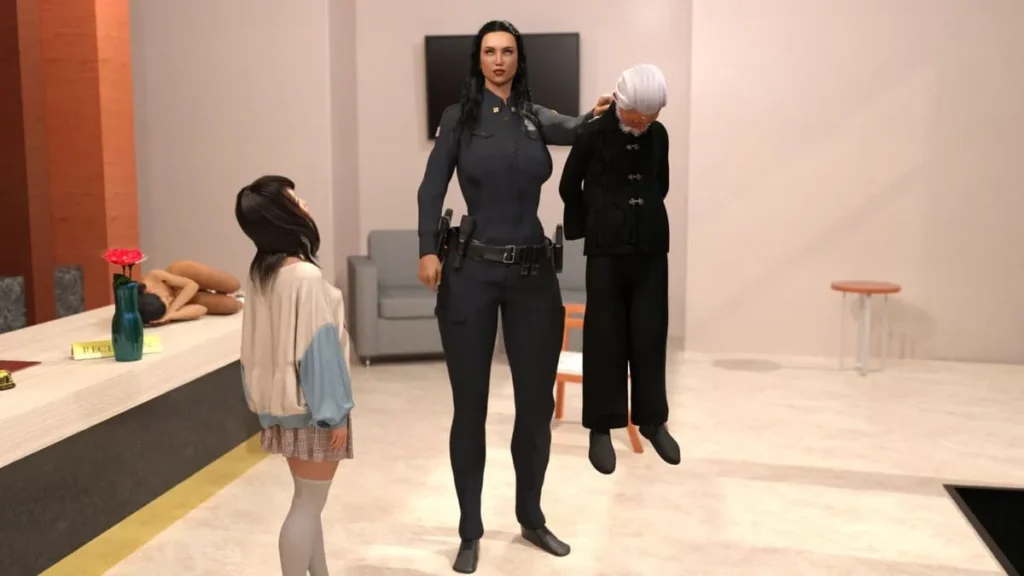










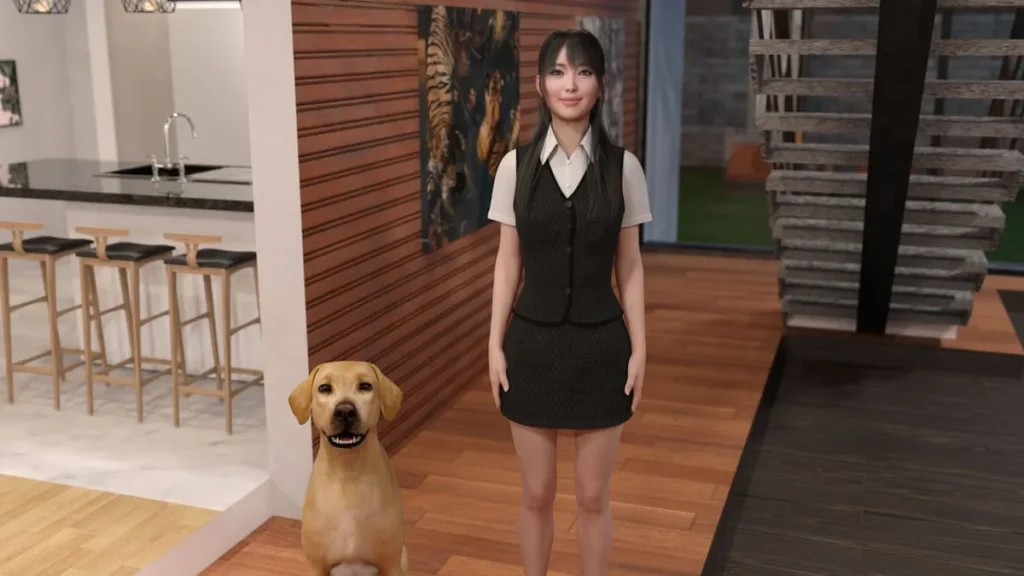



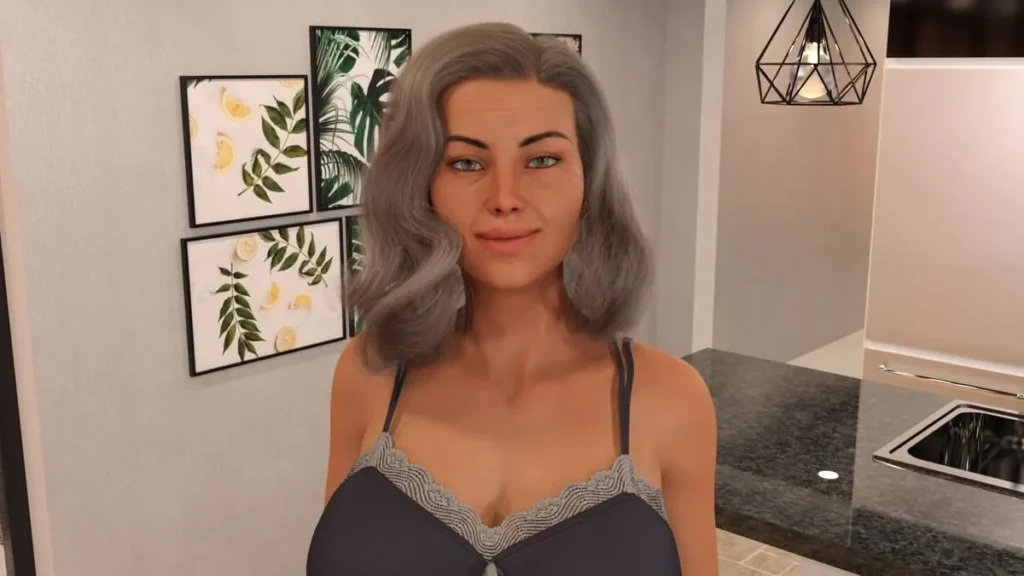



Grandma’s House review
Master gameplay mechanics, character relationships, and quest progression in this narrative-driven experience
Grandma’s House stands out as a sophisticated narrative-driven interactive experience that combines character development with engaging gameplay mechanics. This guide explores the core systems that make the game compelling, from relationship building to quest completion strategies. Whether you’re new to the game or looking to optimize your playthrough, understanding the fundamental mechanics and character dynamics will enhance your overall experience. The game emphasizes meaningful progression where character relationships develop naturally over time, creating a more immersive and rewarding journey through its storyline.
Core Gameplay Mechanics and Systems
So, you’ve arrived at Grandma’s House 🏡. The sun is shining, the lemonade is sweet, and… well, let’s be honest, you’re probably a little confused about what to do next. I remember my first time booting up the game. I wandered around, clicked on everything, sent a few awkward texts, and utterly failed to progress anything for a full in-game week. 🤦♂️ It’s easy to feel lost in this deceptively deep narrative sandbox.
That’s where this guide comes in. Think of me as your friendly neighbor, leaning over the digital fence to give you the inside scoop. We’re going to break down the core Grandma’s House gameplay mechanics, systems, and secrets that transform you from a bumbling visitor into a master of the household’s unique social dynamics. Forget brute force; this game is about subtlety, timing, and understanding people.
Let’s dive into the systems that make this narrative-driven experience tick.
Understanding the Interface and Navigation
Your key to everything in Grandma’s House is your smartphone. This isn’t just a menu; it’s your lifeline, your diary, and your social command center. Mastering it is your first step toward mastering the game.
The main screen is your world. You can click to move between key areas: the Cozy Living Room, the Sunny Kitchen, the Spare Bedroom (your base), the Bathroom, and the sprawling Backyard. Navigation is intuitive, but the magic happens when you tap your phone icon at the bottom. 📱
This opens your game interface tutorial in practice. Here’s what you’ve got:
- The Message App: This is where 90% of the character relationship system is built. You can text characters, but pay attention! Some will only respond at certain times of day or if you’ve seen them recently. A green dot means they’re online and likely to reply quickly. The dialogue here is choice-based, and your selections directly influence their feelings toward you.
- The Stats Screen: A clean, ongoing stat progression system tracker. We’ll get deep into Love, Lust, and Sex Power in the next section, but this is your dashboard. Check it often to gauge your progress.
- The Inventory: Found a mysterious key? A bottle of sunscreen? It’s all here. Many items are quest-critical, and some can be gifted to characters to boost your standing with them.
- The Quest Log: Your essential quest completion guide companion. Active objectives are listed here, often with hints about when or where they can be advanced. It doesn’t spell everything out, but it points you in the right direction.
Pro Tip: Make a habit of checking your phone every time you enter a new room or after a major story beat. New message opportunities or quest updates often trigger based on location.
The philosophy here is one of organic discovery. The game won’t bombard you with waypoints. Instead, you learn the rhythms of the house. Notice that Sarah always makes coffee in the kitchen around 9 AM? That’s a prime time for a chat. The timing mechanics walkthrough for success is simple: observe, then interact.
Character Relationship Progression and Stat Systems
This is the heart and soul of Grandma’s House. Unlike games where you just spam gifts, relationships here feel real. They build slowly, have setbacks, and require emotional intelligence. Your actions are quantified by three core stats, but they represent so much more than just numbers.
Let’s demystify them:
- Love: This measures genuine emotional connection, trust, and deep affection. It grows through meaningful conversations, being supportive during a character’s personal struggles, and making choices that align with their values. High Love unlocks intimate conversations, personal backstories, and quests that deal with emotional vulnerability.
- Lust: This tracks physical attraction and carnal desire. It’s increased through flirty dialogue, compliments on appearance, and scenarios with a physical charge. While it can rise faster than Love, it’s also more volatile. A purely Lust-driven relationship feels shallow and can hit dead ends.
- Sex Power: Think of this as your character’s confidence, social momentum, and personal energy. It’s a global stat that affects all interactions. It increases by successfully navigating social situations, completing quests, and engaging in intimate acts. High Sex Power can make other characters more receptive to you and unlock new dialogue options.
The genius is in the interplay. You can’t just max one stat. To truly unlock a character’s deepest content (how to unlock content you’re curious about), you often need a balance. Maybe a quest requires a certain level of Love to even discuss a topic, but then you need sufficient Lust to pursue it physically. Or, you might need a baseline of Sex Power for them to see you as a viable partner at all.
Here’s a breakdown of how these stats typically influence your journey:
| Primary Stat Focus | Impact on Character Interactions | Quest & Content Unlock Implications |
|---|---|---|
| High Love / Low Lust | You become a trusted confidant. Conversations are deep and emotional, but may lack a romantic or physical spark. They see you as a best friend. | Unlocks quests involving family drama, personal fears, and healing past wounds. Leads to emotionally intimate, but potentially platonic, endings. |
| High Lust / Low Love | Interactions are charged and physical, but feel temporary. Dialogue options are flirtier, but they may not share their true selves with you. | Unlocks shorter, physically-focused scenes and quests. May lead to “fling” endings where the connection doesn’t last beyond the summer. |
| Balanced Love & Lust | The “sweet spot.” You share a connection that is both emotionally and physically fulfilling. Dialogue options are rich and varied. | Unlocks the most complete character arcs, including committed romantic endings and the most complex, multi-stage quests. |
| High Sex Power | You carry yourself with confidence. Characters are more likely to initiate contact, be persuaded by you, and view you as a dominant/leading figure. | Opens alternative paths in quests, allows you to initiate more advanced interactions, and can be a gate for certain “risqué” content. |
My biggest lesson? Patience. On my first playthrough, I bombarded Sarah with flirty texts, boosting Lust but leaving Love in the dust. I hit a wall where she’d flirt back but shut down any real conversation. I had to backtrack, have sincere chats in the kitchen, and help her with a personal problem to balance the scales. It felt real—because repairing a rushed connection takes work.
Quest Structure and Completion Requirements
Quests in Grandma’s House are not picked up from a bulletin board with a giant exclamation point. They emerge from life. A passing comment over breakfast, a worried text message late at night, or an item you find while exploring can all spark a new thread in the tapestry of your summer.
The quest completion guide mindset you need is one of an attentive listener. The game’s log will help, but here’s how the structure works:
-
Trigger: A quest can be triggered by:
- Reaching a specific time of day (e.g., “Talk to Grandma in the evening”).
- Being in a specific location (e.g., finding a note in the backyard shed).
- Reaching a threshold in a character’s relationship stats (e.g., Love > 30).
- Completing a prerequisite quest.
- Sending or receiving a key SMS.
-
Progression: Quests are rarely linear “fetch” tasks. They are multi-stage conversations and actions. You might need to:
- Gather information by talking to multiple characters.
- Wait for a specific time or day to pass (the ultimate timing mechanics walkthrough tip is to use the “Wait” function on your phone!).
- Find and use a key inventory item.
- Make a crucial choice in a dialogue that branches the quest path.
-
Completion: Successfully navigating all stages leads to a resolution, which always rewards you with a significant boost to one or more stats (Love, Lust, Sex Power) and unlocks the next phase of your relationship with that character.
Personal Insight: The most satisfying quests are the slow-burns. One involving a character’s hidden artistic passion took almost my entire in-game month. It started with a stray sketchbook, led to secret late-night talks, involved convincing another character to be a model, and culminated in a beautiful, vulnerable scene. Rushing was impossible. The game makes you earn these moments, and that’s what makes them memorable.
Efficient quest completion relies on a loop: Check Log -> Check Phone -> Explore -> Repeat. If you’re stuck, ask yourself:
* Have I talked to everyone available today?
* Have I checked my phone for new messages?
* Is there an item in my inventory I haven’t used?
* Do I need to simply wait until tomorrow or until a different time?
The pacing philosophy is the game’s greatest strength. Characters develop gradually, like real people. You’ll have quiet days, tense days, and breakthrough days. This isn’t a sprint to the finish line; it’s a leisurely, engaging stroll through a complicated, fascinating summer. By understanding these core Grandma’s House gameplay mechanics—the interface, the profound stat progression system, and the organic quest design—you’re not just playing a game. You’re learning how to live in its world. Now go forth, be patient, be observant, and build those relationships. Your unique story at Grandma’s House awaits. ✨
FAQ: Mastering Quests & Relationships
Q: A quest says “Talk to X in the evening,” but they’re never there! What am I missing?
A: This is a classic timing mechanics walkthrough hurdle. “Evening” is a specific time window (usually 6 PM – 9 PM). Also, some characters only appear in certain locations during that window (e.g., the backyard vs. the living room). Use your “Wait” function to advance time precisely.
Q: How do I progress a character’s relationship faster?
A: Focus on quality, not quantity. One meaningful conversation that addresses their personal quest (check your log!) is worth a dozen flirty texts. Pay attention to their dialogue cues and respond in a way that aligns with the stat (Love or Lust) you want to grow. Consistency is key.
Q: I think I messed up a dialogue choice. Can I undo it?
A: The game autosaves frequently, so reloading a past save is the only way. However, I recommend rolling with your choices! “Mistakes” and awkward moments create a more authentic, personal story. You can often recover by choosing different options in future interactions.
Q: What’s the single best piece of advice for how to unlock content?
A: Be present. Talk to every character every day, even if it’s just a greeting. Read your text messages carefully. Explore every corner of the house when you get the chance. The game rewards your curiosity and attention to detail more than any specific “grind.”
Grandma’s House delivers a unique experience that prioritizes character authenticity and meaningful relationship development over rushed progression. The game’s mechanics reward patience and thoughtful decision-making, creating a more immersive narrative where character arcs feel genuine and earned. By understanding the core gameplay systems, respecting character development timelines, and approaching quests strategically, players can unlock the full depth of what the game offers. The emphasis on gradual relationship building ensures that character interactions feel natural rather than forced, making each progression milestone more satisfying. Whether you’re exploring character relationships, completing quests, or discovering hidden content, approaching the game with patience and intention transforms it from a simple interactive experience into a compelling narrative journey.