Kingdom of Deception
Play Kingdom of Deception
Kingdom of Deception Screenshots
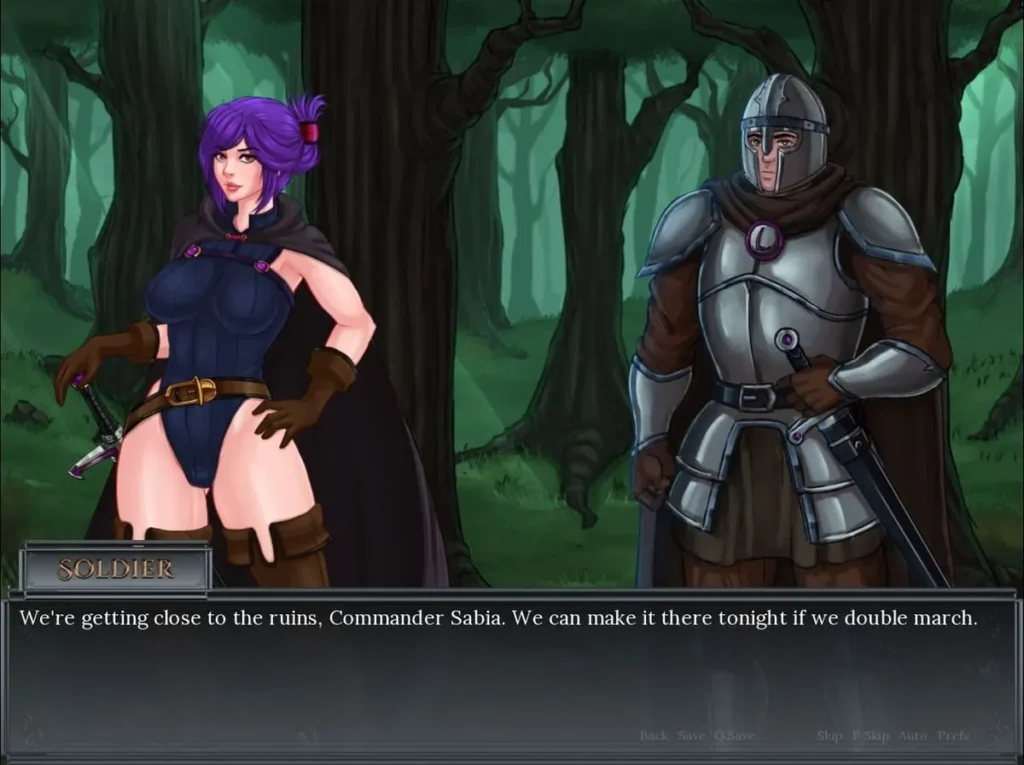
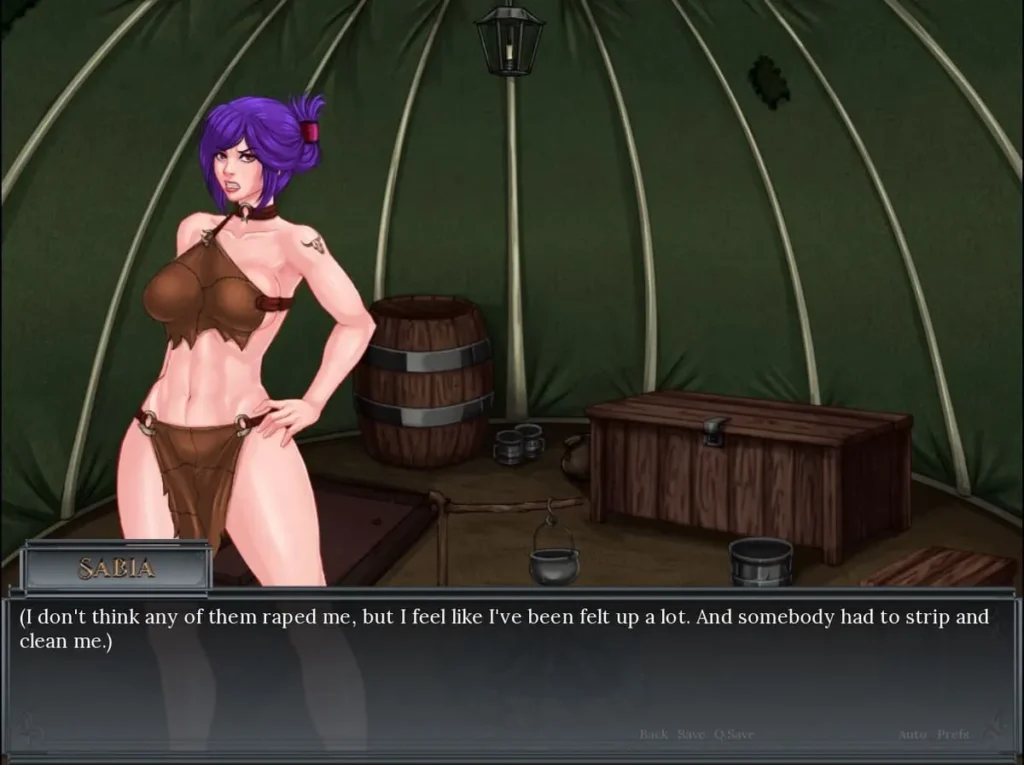
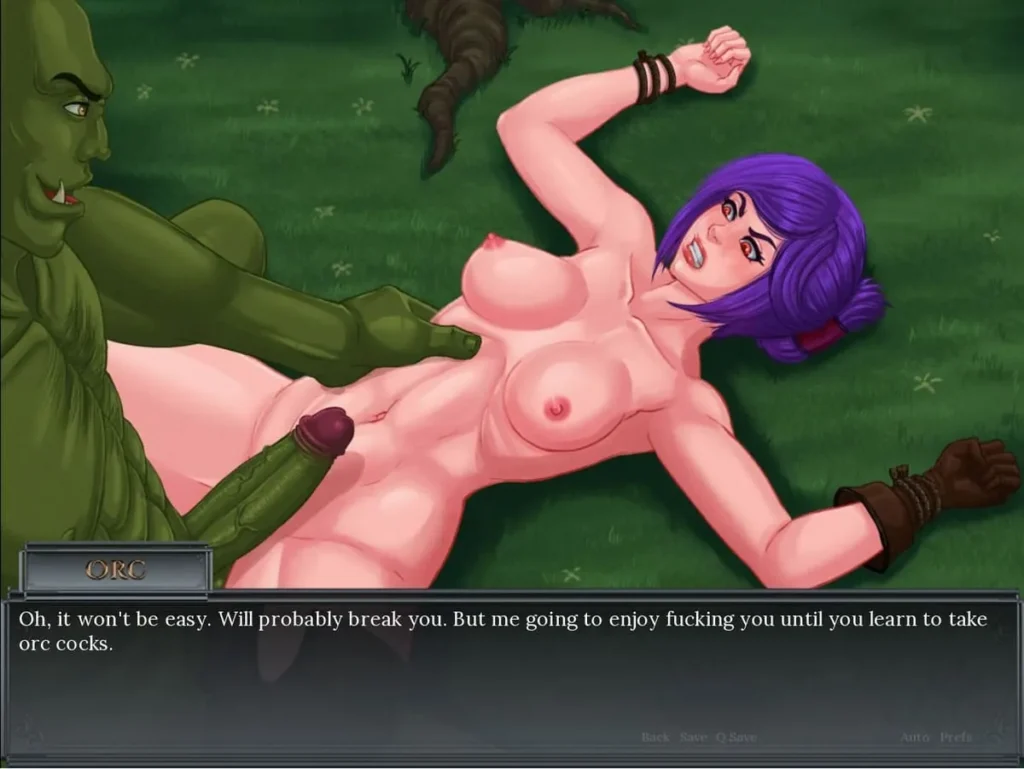
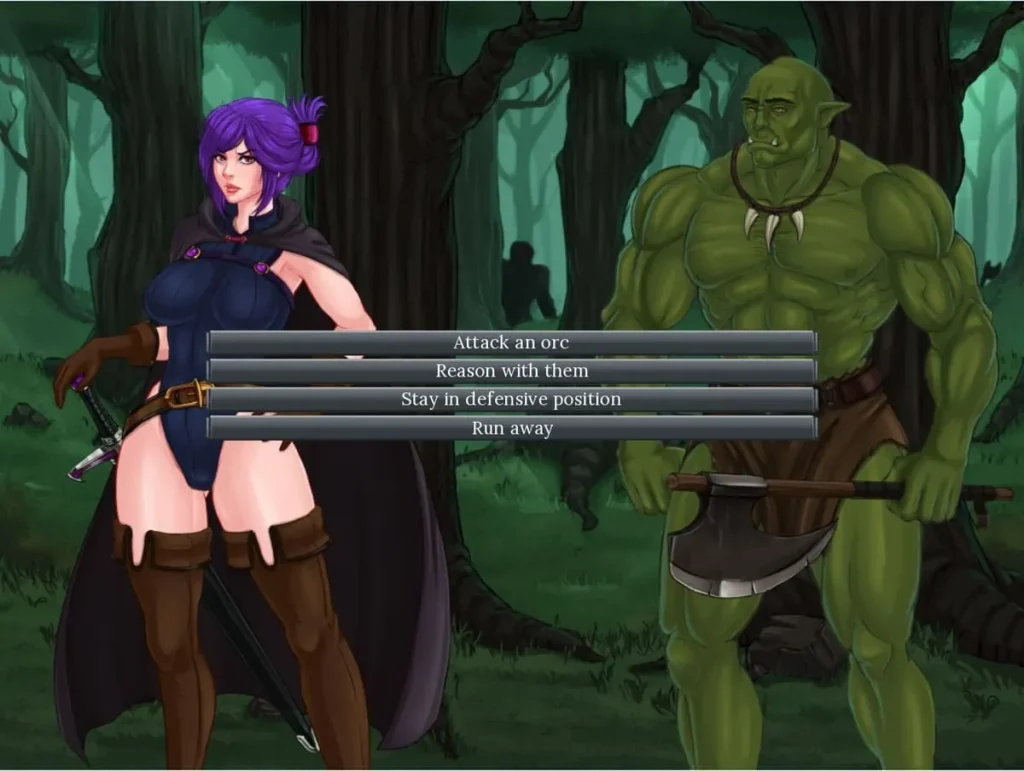
Kingdom of Deception review
Story, gameplay, and player insights into the dark fantasy world of Kingdom of Deception
Kingdom of Deception is a dark fantasy role-playing game that blends visual novel storytelling, tactical combat, and adult-focused character progression into one experience. If you have only seen a few screenshots or short descriptions, it can be hard to tell what the game truly offers and how deep its systems run. In this guide-style article, I will walk you through the core premise, how the gameplay loop feels in practice, and what new players should know before diving in. I will also share some personal impressions and examples from my own playthrough so you can quickly judge whether Kingdom of Deception fits your style.
What Is Kingdom of Deception and Why Has It Become So Talked About?
Let’s be honest, the internet is full of games promising epic dark fantasy adventures. 🏰 Many of them feel… generic. You know the drill: chosen one, big sword, save the world. So, when I first heard whispers about the Kingdom of Deception game, I was intrigued but cautious. What I found wasn’t just another heroic power fantasy. It was something far more compelling: a story of survival, consequence, and fragile hope in a world that has already written you off. If you’re asking “what is Kingdom of Deception?”, let me pull up a chair in this gloomy tavern and tell you all about it.
Kingdom of Deception: Dark Fantasy Premise and Setting
🗡️ Forget saving the kingdom. In Kingdom of Deception, you’ve already lost it. You play as a former commander, a heroine on the losing side of a brutal war. Your faction is shattered, your allies are dead or scattered, and you are dragged in chains to the very heart of the enemy’s domain—a sprawling, oppressive city known as the Capitol. This isn’t a story about rising to glory; it’s a story about crawling out of the ashes.
The Kingdom of Deception story immediately sets a different tone. You begin defeated, indebted, and utterly powerless in a hostile city that views you as a curiosity at best and a slave at worst. Your goals are no longer grand or noble. They are basic, human, and desperate: find a place to sleep, scrape together enough coin for food, and navigate a labyrinth of political and criminal factions who all want to use you for their own ends. The “dark fantasy” here is less about monstrous beasts (though they exist) and more about the monstrous nature of society, power, and survival. It’s a dark fantasy adult game not just because of mature themes, but because it deals with adult consequences—compromise, moral ambiguity, and the heavy cost of every choice.
The atmosphere is thick with tension. Every conversation feels like a negotiation, and every safe corner could be a trap. You’re not a hero here; you’re a survivor, and the game never lets you forget it.
Core Gameplay Loop: How Does Kingdom of Deception Actually Play?
So, how does this grim premise translate into actual play? The Kingdom of Deception gameplay overview is a fascinating blend of several styles that all serve the central theme of strategic survival.
At its heart, Kingdom of Deception is a hybrid. You’ll spend your time in three main modes:
1. Exploration & Role-Playing: You navigate the city and its outskirts from a top-down perspective. This is where you manage your core resources: money, stamina, and your character’s physical and mental state. You take on jobs, talk to NPCs, and explore locations to unlock new story beats and opportunities.
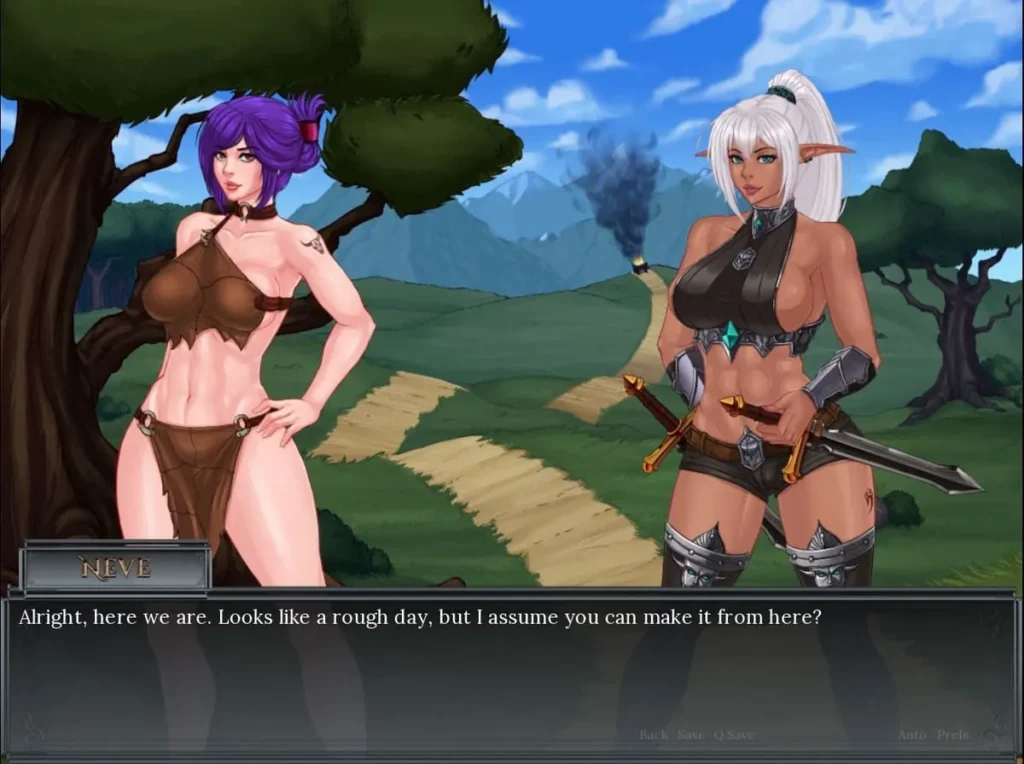
2. Visual Novel Scenes: When you trigger a story event or conversation, the game shifts into a detailed visual novel style. Here, your choices truly matter. Dialogue options can alter relationships, open (or close) future quest paths, and directly impact your character’s stats and morale.
3. Tactical Encounters: When conflict arises—be it a street brawl, an ambush in the wilds, or a gladiatorial pit fight—the game switches to a turn-based, grid-style combat system. Positioning, skill use, and managing your limited action points are key. These aren’t random trash mobs; each fight has narrative weight and consequences for losing.
Your main goals are beautifully mundane and deeply interlinked:
* Explore the city to find new opportunities and resources.
* Manage your scarce money and energy to stay afloat.
* Improve your gear and skills through crafting, purchases, or training.
* Unlock new scenes and story progression by building favor (or infamy) with key characters and factions.
The brilliant risk–reward layer is what makes this loop so tense. Do you take the safe, low-paying courier job to slowly save up? Or do you accept the shady offer from the crime syndicate for a huge, immediate payout, knowing it might lock you into a dangerous path or attract unwanted attention? The game constantly presents you with these dilemmas.
To break it down, the Kingdom of Deception game rests on four main pillars:
- A Heavy Narrative Focus: The story and characters drive everything. Your progression is measured in relationships and unlocked plot threads as much as in levels.
- Tactical, Turn-Based Encounters: Combat is thoughtful and punishing, emphasizing strategy over button-mashing.
- Systemic Progression: Everything is connected. A good conversation can give you a discount on gear, which helps you win a fight, which earns you a reputation, which unlocks a new story branch.
- Meaningful Choices: Decisions aren’t just “good vs. evil.” They are “safe vs. risky,” “profitable vs. honorable,” and “immediate gain vs. long-term alliance.”
| Gameplay Aspect | What It Feels Like |
|---|---|
| Resource Management | Constant, low-level stress. Counting coins before buying a meal, deciding if you can afford to rest or need to push on. |
| Dialogue Choices | Walking a tightrope. One wrong word can turn a potential ally into a contemptuous foe or get you thrown in the dungeons. |
| Tactical Combat | Desperate and calculated. You feel weak initially, so every move must count. Victory is often by the skin of your teeth. |
My First Hours in Kingdom of Deception as a New Player
My own Kingdom of Deception player impressions from those first hours were a mix of confusion, fascination, and sudden, stark realization. 🎮
I’ll be real with you: the opening can feel overwhelming. You’re dumped into a run-down hostel with a few coins, a pounding headache (a stat, literally), and a map full of icons you don’t understand. The interface isn’t overly complex, but it doesn’t hold your hand. I spent my first in-game day just wandering, talking to every sad soul in the tavern, trying to piece together how this world worked. I felt the intended weakness—my clicks felt hesitant, my choices timid.
Then, I got my first real “job.” A smirking man in a fine coat offered me a small fortune to simply retrieve a package from a nearby forest. My money was nearly gone, and the promise of real coin was too tempting. I ignored the warnings about beasts and the time of day. I thought, “It’s just a fetch quest. How bad can it be?”
This was my “oh…” moment. The moment Kingdom of Deception stopped being a game and started being an experience.
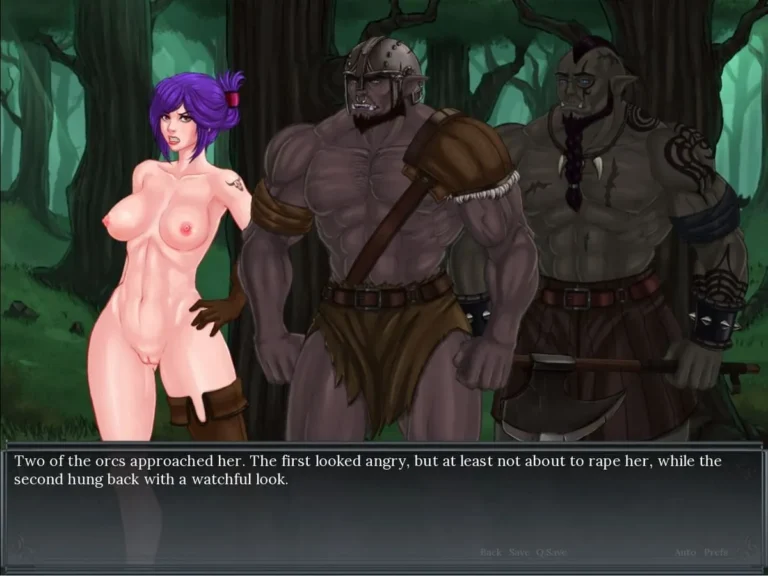
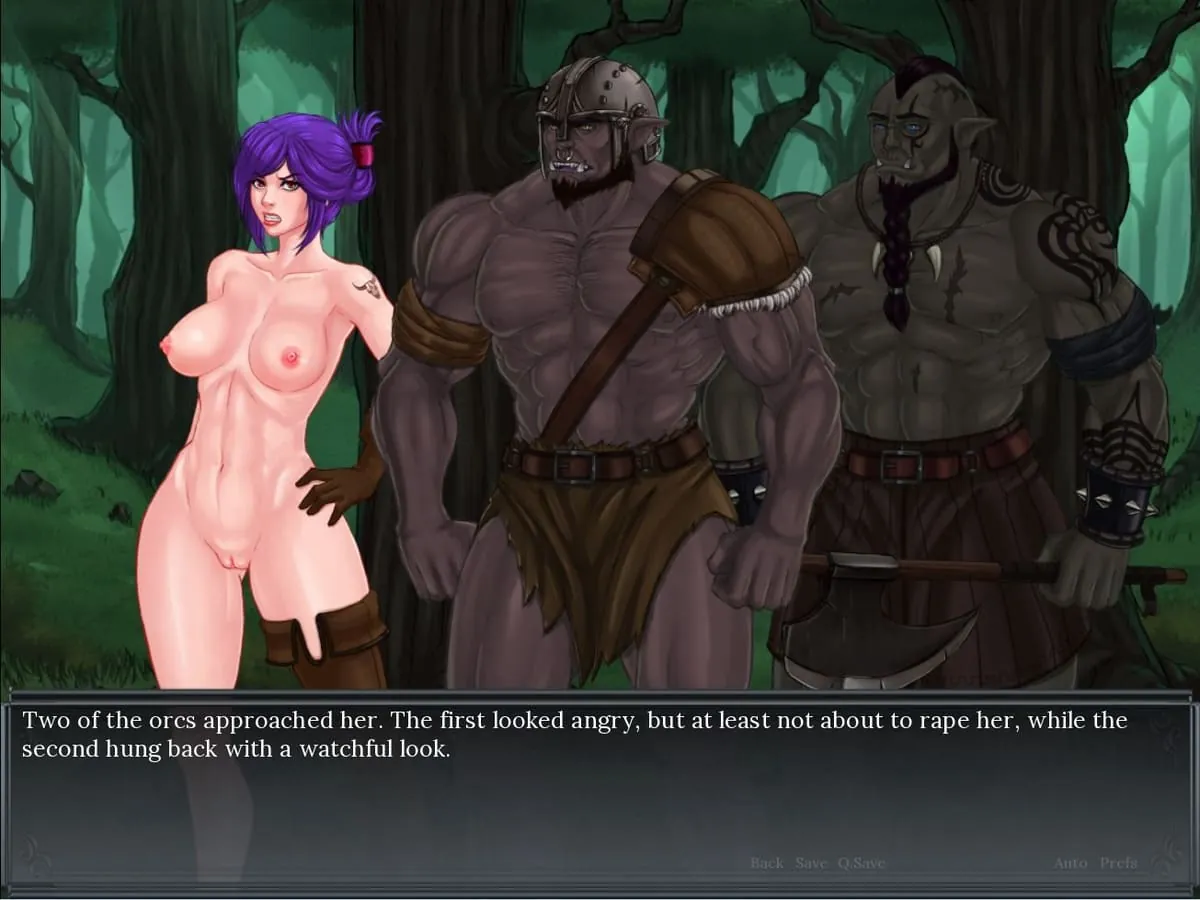
I arrived as dusk fell. The tactical encounter that triggered was against creatures I was wholly unprepared for. My attacks barely scratched them. I lost, badly. The game didn’t reload a save—it played out the consequences. I awoke back in the city, having lost the package, my payment, and a chunk of my already-poor equipment to the creatures. I was injured, which cost more money and time to heal. The quest-giver was furious, closing off that avenue of work. My Kingdom of Deception gameplay overview in my head was completely rewritten. This wasn’t about completing tasks; it was about assessing risk, preparing for the worst, and living with the outcome.
That failure, ironically, is what hooked me. The tension of being weak and indebted transformed into a fierce determination. The satisfaction of finally earning enough for a decent weapon, of winning a fight cleanly because I prepared, of having an NPC remember a kindness I showed them days prior—these moments felt earned. The game makes you feel the weight of the world first, so that every small victory tastes incredibly sweet. 🍯
Is Kingdom of Deception Worth Playing? Closing Thoughts
So, is Kingdom of Deception worth playing? If you’re looking for a power fantasy or a lighthearted romp, look elsewhere. But if you crave a narrative-heavy experience that isn’t afraid to let you fail and forces you to think strategically about survival, then the answer is a resounding yes.
This dark fantasy adult game is for a specific kind of player:
* You love reading and getting immersed in a world’s lore and characters.
* You enjoy games where choices have tangible, sometimes delayed, consequences.
* You don’t mind a slower, more deliberate pace where management and planning are part of the fun.
* You appreciate turn-based tactics but want them woven directly into the story.
* You’re looking for a fantasy setting that’s gritty, political, and morally grey.
My final Kingdom of Deception player impressions are of a game that commits fully to its vision. It’s challenging, often bleak, but deeply rewarding. It respects your intelligence and isn’t afraid to punish carelessness, all in service of making you feel every step of the climb from despised prisoner to a name that might, once again, carry weight in a kingdom of deception.
Quick Kingdom of Deception FAQ
How long is Kingdom of Deception?
The game is heavily narrative and choice-driven, so playtime varies widely. A single focused playthrough can take 20-30 hours, but with multiple factions, branching paths, and different relationship outcomes, there’s significant replay value to see how other choices unfold.
Is Kingdom of Deception beginner-friendly to the genre?
It can be a bit daunting at the start due to its systemic nature and lack of hand-holding. However, if you’re patient and enjoy learning through experimentation (and occasional failure), it’s very rewarding. Save often in different slots, talk to everyone, and don’t be afraid to start over if your first few days go disastrously—it’s all part of the experience!
What’s the primary focus: story or combat?
Story, without question. The tactical combat is an important tool and consequence of the narrative, but the core drive is uncovering the world’s secrets, navigating its social hierarchies, and shaping your character’s fragile future through your decisions.
Kingdom of Deception offers a very specific kind of dark fantasy role-playing experience: slow-burn storytelling, demanding choices, and a constant sense of negotiating your way through a hostile world. Once you get past the initial learning curve and understand how its systems connect, the game rewards careful planning and curiosity with memorable scenes and branching outcomes. If you value narrative weight, tactical thinking, and a mature tone in your games, taking the time to explore Kingdom of Deception’s city, factions, and storylines can be surprisingly immersive.