Rebirth
Play Rebirth
Rebirth Screenshots



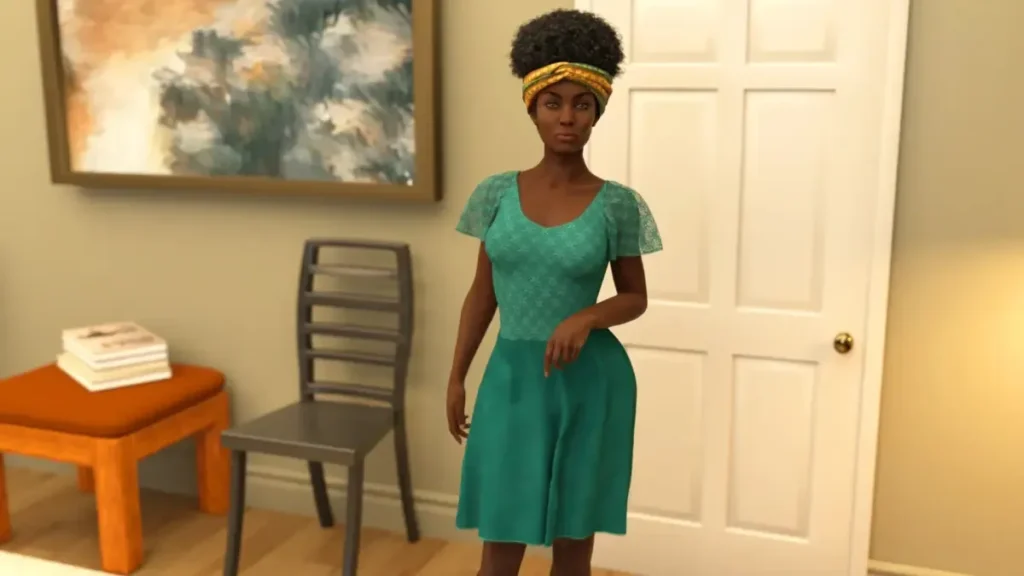


Rebirth review
A complete, player-focused overview of Rebirth, its characters, mechanics, and decision-driven progression
Rebirth is a narrative-driven game built around decisions, relationships, and a strong focus on character transformation. Players searching for Rebirth often want to know what the game is really about beyond the marketing blurbs: its story themes, how choices shape the experience, how the characters are written, and whether the gameplay loop feels rewarding or repetitive. In this article, I’ll walk you through Rebirth from a player’s point of view – sharing what the game does well, where it stumbles, and how to approach it if you want a more emotionally engaging and immersive run.
What Is Rebirth Game Really About?
You wake up in a strange room, your head throbbing, with only fragmented memories of a life that feels both intimately yours and impossibly distant. This is where your journey in Rebirth begins—not with a bang, but with a disorienting whisper of a past you can’t quite grasp. 🌀 At its heart, the Rebirth game is an intimate, narrative-driven experience that asks a powerful question: if you could start over, knowing what you know now, who would you choose to become?
This isn’t a tale of epic fantasy battles or saving the world from a looming threat. Instead, Rebirth pulls you into a deeply personal drama centered on its protagonist, Leo (whose name you can often customize). Leo is an individual granted a literal second chance, returned to a pivotal moment in their life with their memories intact, yet forced to navigate familiar terrain with a new perspective. The core Rebirth game plot hook is this profound “what if?” scenario, focusing on mending broken relationships, confronting past regrets, and exploring roads not taken, all within a modern, often emotionally charged setting. 🏙️
The game is built on the foundation that your words are your most powerful tool. Every conversation is a potential crossroads. A seemingly casual coffee chat can unravel into a confrontation from years past, and a tender moment can be solidified or shattered by a single line of dialogue you choose. This is the essence of the Rebirth narrative driven game—a story that bends, twists, and transforms based on your decisions, making each playthrough a unique reflection of your choices.
Core Premise and Narrative Setup of Rebirth
The opening act of the Rebirth story is masterfully designed to make you feel both curious and cautious. You, as Leo, are thrust back into a life you thought you’d lost, surrounded by faces that trigger a flood of complicated emotions—joy, guilt, resentment, longing. The initial setup is often a reunion or a return to a familiar place, like moving back to your hometown or reconnecting with a close-knit group of friends after a long absence. There’s a lingering tension in the air; things have been left unsaid, and wounds have been left to fester.
The genius of the Rebirth game overview lies in its subtlety. The world isn’t on fire, but Leo’s personal world is teetering on the edge. The narrative tension comes from interpersonal dynamics: the friend you drifted apart from, the romantic interest you never confessed to, the family member you failed. Your primary goal is to navigate this social and emotional minefield. The game presents you with a web of relationships, and through branching dialogue trees and key decisions, you determine which threads you pull on, which you repair, and which you might sever for good.
Tip from a first run: Don’t rush through conversations. The timer on dialogue choices is usually generous for a reason—this game wants you to think about the weight of your words, not just react.
It’s crucial to understand that Rebirth is a mature, character-focused experience. The content revolves around adult relationships, emotional complexity, and the consequences of intimacy—both emotional and physical—without veering into explicit depiction. The tone can range from warm slice-of-life moments to intense drama and even threads of mystery, as you piece together not only how to fix your relationships but sometimes why you were given this second chance in the first place. 🔍
How Rebirth Handles Themes of Change and Second Chances
Rebirth is more than its title; it’s its central thesis. The game meticulously explores the multifaceted nature of starting over. It’s not a simple magical fix. Having foreknowledge is portrayed as both a gift and a tremendous burden. You might know that a friend is hiding a painful secret, but confronting them about it too early, without the natural trust being rebuilt, can backfire spectacularly. The game challenges the fantasy of the “perfect run,” reminding you that human emotions are messy and unpredictable.
The themes are interwoven into every system and scene:
- Transformation & Identity: Who is Leo with these old memories in a new timeline? Are you trying to recreate your past life, or are you forging a completely new identity? The game allows you to explore different facets of your personality through your choices.
- Regret & Atonement: This is the driving force for many players. That one missed opportunity, that harsh word spoken in anger—Rebirth gives you the tools to attempt amends, but it doesn’t guarantee forgiveness. Other characters have their own agency and may not be ready to welcome you back with open arms.
- The Ripple Effect of Choice: This is the core mechanic made theme. A small kindness shown to a secondary character in Chapter 1 might unlock their support in a crucial moment in Chapter 4. Conversely, a selfish choice can close off entire story branches and character routes. The Rebirth game constantly shows you that no choice exists in a vacuum.
The game explores these ideas primarily through its character routes. By investing time in specific individuals—through choosing to spend time with them, selecting dialogue options that align with their values, and supporting them in their own subplots—you delve deeper into their personal stories and your evolving relationship with them. This is how the Rebirth story branches significantly. Pursuing a route with the reserved artist will lead to a completely different narrative experience and emotional climax than pursuing one with the ambitious entrepreneur.
To summarize, the Rebirth narrative driven game focuses on a few core emotional pillars:
- 🦋 Second Chances: The core fantasy and its complicated reality.
- 🔄 Transformation: The active process of changing oneself and one’s circumstances.
- 💞 Relationships: The intricate dance of connection, trust, and intimacy.
- ⚖️ Consequences: The undeniable weight of every decision, big or small.
My First Impressions After a Full Rebirth Playthrough
Going into my first full playthrough of the Rebirth game, I’ll admit I was expecting a relatively straightforward visual novel experience. I thought I’d be making obvious “good” or “bad” choices and watching a linear story unfold with minor variations. I was utterly mistaken. My Rebirth game review style impressions after completing one full character route and glimpsing others are that this is a deeply reactive, thoughtful, and surprisingly replayable experience.
The learning curve wasn’t about understanding complex systems, but about calibrating my own mindset. Early on, I met a character named Alex—an old friend Leo had a falling out with. In our first major conversation, Alex made a sarcastic, defensive comment about Leo’s sudden return. The game gave me three response options:
- Retort with equal sarcasm. (“Some things never change, huh?”)
- Deflect and change the subject. (“So, how’s the old job treating you?”)
- Acknowledge the tension honestly. (“I know. I deserve that. I’m just trying to fix things.”)
In my “first run,” wanting to be the cool, unaffected returning hero, I chose option 1. It felt witty in the moment. What followed was a tangible cooling in all my subsequent interactions with Alex. Later story beats where Alex would normally open up were replaced with short, clipped dialogue. A potential ally in a later conflict was now neutral, at best. A single, early dialogue choice had subtly but permanently altered the fabric of that relationship for the entire playthrough. It was a brilliant, slightly heartbreaking lesson in how Rebirth operates.
This is where the Rebirth game overview becomes personal. The game’s magic is in these quiet, cumulative consequences. You don’t get a “Morality Points -10” notification. You just live in the slightly chillier world your choices created. By the end of that playthrough, I felt a real sense of ownership over “my” Leo and “my” story—flaws, regrets, and hard-won connections included. It made starting a new game feel genuinely exciting, not like a chore to see different content.
Who Is Rebirth For?
After spending significant time with it, I can confidently position this Rebirth narrative driven game for specific players.
You will likely love Rebirth if you:
* Crave stories where your choices feel meaningful and alter the narrative path. 🗺️
* Enjoy getting deeply invested in complex characters and relationship dynamics.
* Appreciate mature, dialogue-heavy storytelling with emotional weight.
* Love the replayability of unlocking different character routes and endings.
* Are looking for an experience that is more about introspection and conversation than action or combat.
Rebirth might not be for you if you:
* Prefer games with fast-paced action, complex combat systems, or extensive exploration.
* Want a purely casual, stress-free sandbox without heavy narrative consequences.
* Are uncomfortable with games that focus almost exclusively on adult relationship drama and emotional conflict.
* Dislike reading large amounts of dialogue or making frequent narrative choices.
In essence, what is Rebirth game about? It’s about the fragile, beautiful mess of human connection and the haunting, hopeful possibility of revision. It’s a game that lives in the quiet spaces between words and the loud impact of the ones we choose to say. If you’re ready to step into Leo’s shoes and truly ponder the weight of a second chance, your journey is waiting. ✨
Rebirth is at its best when you approach it as a slow-burn, character-focused journey rather than rushing from scene to scene. The more attention you pay to dialogue, small choices, and how characters react, the more the story starts to feel tailored to you. If you like narrative-heavy games that explore complicated relationships, identity, and the idea of starting over, Rebirth offers a surprisingly engaging experience with room for multiple playthroughs. Go in with an open mind, experiment with different responses, and treat each run as a chance to see another side of its cast and its world.