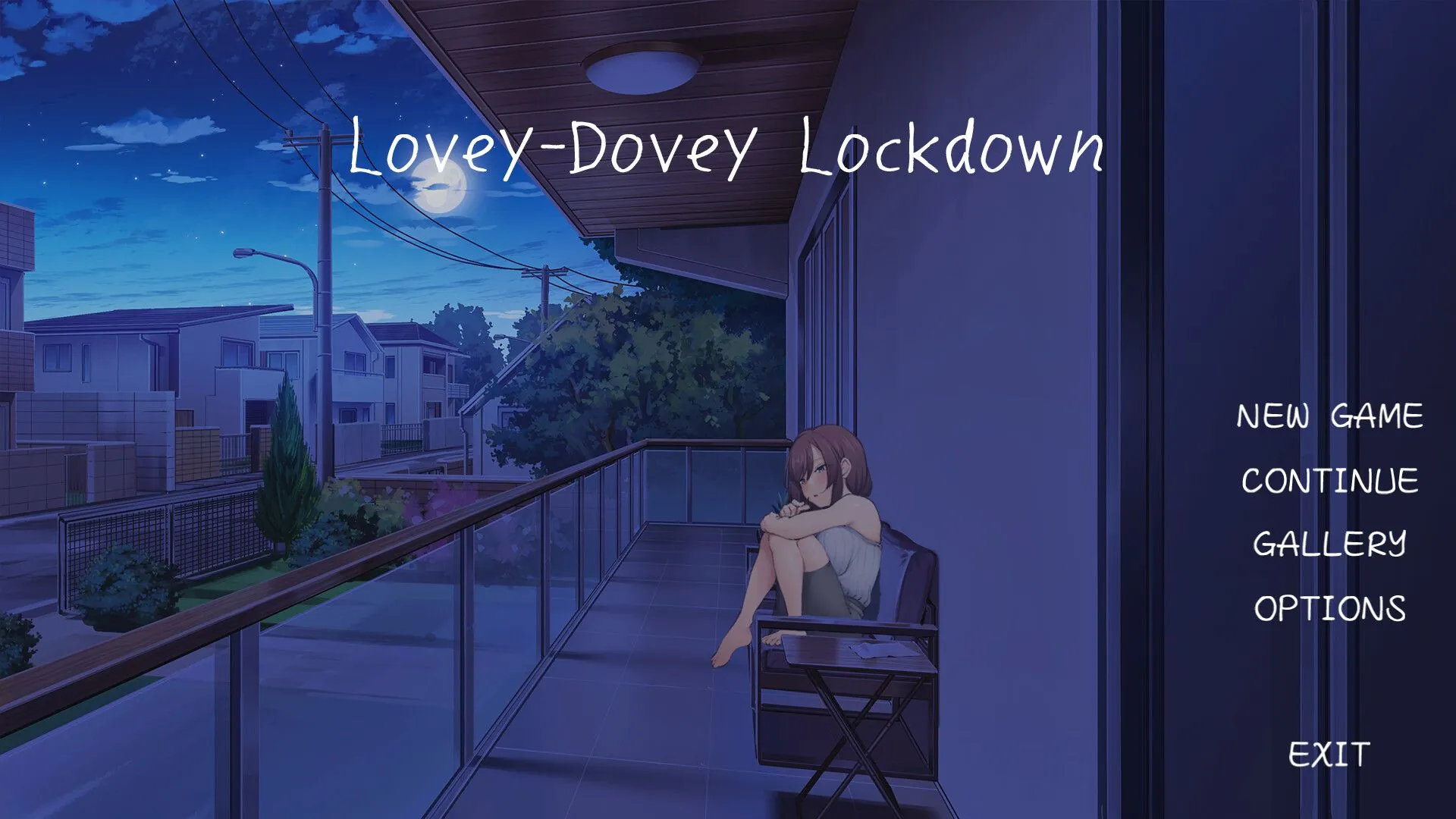
Stay True, Stay You
Play Stay True, Stay You
Stay True, Stay You Screenshots










Stay True, Stay You review
Master the choices, understand the mechanics, and explore every path in this narrative-driven experience
Stay True, Stay You is a narrative-driven interactive experience that challenges players to make meaningful choices that shape their journey. Unlike linear games, this title emphasizes player agency through a complex system of decisions, character relationships, and consequence-driven gameplay. Whether you’re exploring your first playthrough or seeking to unlock hidden content, understanding the game’s mechanics and decision trees is essential. This guide provides everything you need to navigate the game’s intricate paths, maximize your experience, and discover the depth behind every choice you make.
Understanding Game Mechanics and Decision Systems
Ever felt that pang of regret after a big choice in a game? 😬 You click an option, the scene moves on, and then hours later, you realize you missed a crucial moment with a character or locked yourself out of a story branch you didn’t even know existed. I’ve been there, reloading saves from three hours prior, groaning at my own haste. Stay True, Stay You is built entirely around these moments, but instead of making them frustrating, it makes them fascinating. This isn’t about finding a “right” path; it’s about understanding how your unique path unfolds.
The heart of this experience lies in its intricate game mechanics. Think of every conversation, every silent glance, and every bold declaration not as a isolated event, but as a pebble dropped into a pond. The ripples touch everything. To truly master this narrative-driven experience, you need to pull back the curtain on its systems. This chapter is your guide to doing just that—understanding the decision system walkthrough, mastering character relationship tracking, and learning the secrets of the hidden scenes unlock guide. Let’s dive in.
How Choices Impact Your Gameplay Experience
The first thing to understand about Stay True, Stay You is that its branching narrative paths are not always obvious. Unlike games with clear “Good vs. Evil” meters, the consequences here are deeply woven into the fabric of the characters’ personalities and the story’s context. A choice that seems compassionate in one moment might be seen as patronizing in another, depending on who you’re talking to and what they’ve been through.
The game’s decision system works on a principle of cascading consequences. Early, seemingly minor decisions can open or close doors much later. For instance, choosing to help a secondary character in Chapter 2 might mean they vouch for you in Chapter 6, providing a shortcut through a tense confrontation. Conversely, brushing them off might mean you lack a crucial ally when you need one most.
Here’s a practical tip from my own playthroughs: listen to the tone, not just the text. The game often presents you with multiple dialogue options that seem to say the same thing but have different emotional undertones. One might be “Reassure,” while another is “Empathize.” The former might boost a character’s confidence stat, while the latter deepens a personal bond. It’s subtle, but it’s what makes the Stay True Stay You game mechanics so rich.
To visualize this, let’s look at some pivotal moments. The table below breaks down a few major decision points, their immediate effects, and the long-term story threads they influence.
| Decision Point | Immediate Consequence | Long-Term Narrative Impact |
|---|---|---|
| At the Cafe: Confront Alex about the secret or Change the subject. | Confrontation leads to a tense, revealing scene. Changing the subject keeps the peace. | Confronting unlocks a hidden story branch in Chapter 4 where Alex seeks your advice. Avoiding it locks this deeper trust path and requires a different method to unlock Alex’s secret content later. |
| Art Show: Critique Morgan’s painting honestly or Praise it generically. | Honest critique momentarily hurts their feelings. Generic praise gets a pleased, but shallow, response. | Honesty is required to unlock Morgan’s “True Artist” route and a special hidden scene where they create a masterpiece inspired by your feedback. Generic praise leads to a more superficial friendship. |
| Midnight Rooftop: Share your own vulnerable story or Just listen to Sam. | Sharing creates an instant, intimate connection. Listening makes Sam feel deeply heard. | Sharing unlocks romance flags for Sam and a unique, tender scene in a later chapter. Listening is key to a powerful platonic “best friends” ending and influences Sam’s independent character growth. |
Managing your saves is not just recommended; it’s a core strategy. Before any major story beat or social event, create a new save slot. I name mine things like “Pre-Cafe_Confront” or “Before_ArtShow.” This allows you to strategically approach playthroughs without losing dozens of hours of progress. Think of it as bookmarking potential futures. The game stat systems explained in the next section will give you even more reason to do this, as you’ll want to experiment with different stat builds.
Character Relationship Tracking and Stat Systems Explained
While your choices drive the plot, the game’s internal character relationship tracking and stat systems are the engines under the hood. 🚗💨 You won’t find a simple “Like/Dislike” bar hovering over characters’ heads. Instead, the game uses a more organic, multi-faceted tracking system.
Each main character has several hidden relationship metrics, such as:
* Trust: How much they believe in your judgment and honesty.
* Affection: Their romantic or deep friendly feelings toward you.
* Respect: Their view of your integrity, strength, or talents.
* Familiarity: How much of their personal history and quirks you’ve discovered.
Your dialogue and actions feed into these hidden meters. The game’s brilliant trick is that these stats don’t just unlock scenes; they alter the dialogue options available to you. A high Trust level with Alex might give you a gentle, probing question option during a crisis, while low Trust might only offer blunt or avoidant choices. This is the essence of character relationship tracking—it doesn’t just change the story you see; it changes the person you are able to be in the story.
Alongside relationship stats, your protagonist has personal game stat systems. These might include:
* Empathy: Your ability to understand and share others’ feelings. High Empathy unlocks compassionate dialogue and de-escalates conflicts.
* Courage: Your willingness to take social or physical risks. Needed to stand up for others or pursue difficult truths.
* Creativity: Influences solutions to puzzles and how you express yourself in artistic or social situations.
* Integrity: A measure of your consistency and honesty. Affects how reliably characters view your word.
These stats are raised through consistent choice patterns and sometimes through mini-game successes or discovering specific world items (like reading a poignant book to raise Empathy). A balanced build is possible, but specializing can lead to wildly different playthroughs. My “High Courage, Low Empathy” run made my character a blunt truth-teller who uncovered conspiracies but burned many personal bridges—a fascinating, lonely path.
Pro Tip: Don’t try to max every stat in one run. Embrace your character’s flaws and strengths. Specializing in 2-3 key stats is the most reliable way to reach specific character endings and see unique content tied to those traits.
Understanding this interplay between character relationship tracking and your personal stats is the key to directing the story. Want to romance the guarded artist? You might need high Creativity to appreciate their work and high Courage to break through their shell. Want to be the group’s trusted mediator? Pump that Empathy and Integrity. This system is your toolkit for shaping the narrative.
Unlocking Hidden Scenes and Secret Content
Ah, the holy grail of any narrative game: the scenes not everyone sees. 😉 In Stay True, Stay You, hidden scenes and secret content aren’t just Easter eggs; they’re profound character revelations, alternate story resolutions, and sometimes, heartbreaking “what if” scenarios. Learning how to get secret content is about understanding triggers.
These scenes are typically gated behind specific combinations of the systems we just discussed. A hidden scene might require:
* A specific relationship stat threshold with one or more characters (e.g., Trust > 80 with Sam AND Respect > 70 with Alex).
* A specific level in a personal stat at a key moment.
* A sequence of correct choices across multiple chapters, not just one.
* Being in the right place at a specific time, which itself is often unlocked by previous choices.
For example, one of my favorite hidden scenes is a quiet moment on the old city bridge at night. To unlock it, you need: High Courage (to suggest going out late), moderate Affection with a specific character, and you must have chosen to share a personal secret with them in Chapter 3. If all conditions are met, instead of heading home after the group event, you get a new option: “Walk with [Character] along the bridge.” What follows is a beautiful, unscripted-feeling conversation that deepens the bond exponentially.
Here’s your actionable hidden scenes unlock guide strategy:
1. Focus on One Character Per Playthrough: On your first run, play naturally. Then, for subsequent runs, pick one character to focus all your choices on. Maximize stats that align with their personality.
2. Explore Thoroughly: Click on environmental objects, arrive early to events, and choose to “Stay a while longer” when prompted. Many secret triggers are environmental.
3. Pay Attention to Flags: The game gives subtle feedback. If a character says, “I’ve never told anyone that before,” or gives you a unique item, you’ve likely hit a major flag for their route.
4. Use a “Stat-Stick” Save: Once you understand a character’s requirements, create a save file at a pivotal early chapter (like Chapter 2) where you’ve already made the key foundational choices for that route. You can branch out from this save to efficiently explore the branching narrative paths stemming from that point.
Remember, how to get secret content is often about pursuing authenticity within the game’s world, not just checking boxes. The scenes that feel most rewarding are those that feel earned through genuine character investment.
Frequently Asked Questions
Q: How many save slots should I realistically use?
A: I recommend using at least 5-10 dedicated slots that you cycle through. Have one “main” save for your primary playthrough. Then, before any major event (parties, confrontations, trips), create a new “branch” save. Also, keep a very early “foundation” save (e.g., end of Chapter 1) so you can start a new route without replaying the intro.
Q: Is it better to reload immediately after a bad choice or play through to the consequence?
A: For a first, blind playthrough, I strongly advise playing through the consequence. The most powerful stories in Stay True, Stay You often come from unintended mistakes and repairs. Save the reloading for dedicated route-completion runs. You’ll appreciate the narrative weight more.
Q: What’s the most efficient way to see all the major endings?
A: Target 3-4 core playthroughs, each centered on a different primary character and a different personal stat specialization (e.g., Empathy/Creativity run for the artist, Courage/Integrity run for the leader). Use your “foundation” save to start each, diverging at the first major character choice. This method covers a massive amount of secret content without repeating every single minor scene.
Q: Do “neutral” choices that avoid conflict hurt my progress?
A: Not necessarily! Sometimes, avoiding a conflict is the key to maintaining a fragile relationship. However, consistently choosing neutral options can result in a lower-intensity story where some of the most dramatic hidden scenes and deep bond moments remain locked. The game rewards emotional investment, positive or negative.
Mastering the Stay True Stay You game mechanics is a journey in itself, one that mirrors the game’s theme of self-discovery. By understanding the decision system, nurturing the character relationships, and strategically seeking out the hidden scenes, you transform from a passive reader into an active architect of countless heartfelt stories. Your first playthrough is a gift—play it blindly, emotionally, and true to your initial instincts. Then, come back here, armed with this walkthrough, and start mapping the beautiful, complex constellation of lives you can touch. Every path is valid, and every ending is a testament to a version of “you.” Now go on, your next chapter awaits. 📖✨
Stay True, Stay You offers a rich, choice-driven experience where every decision carries weight and consequence. By understanding the game’s mechanics, relationship systems, and decision trees, you can craft a personalized journey that reflects your preferred playstyle and narrative preferences. Whether you’re pursuing specific character routes, hunting for hidden content, or simply enjoying the branching storyline, strategic planning and thoughtful decision-making enhance your overall experience. Take your time exploring different paths, experiment with various choices, and don’t hesitate to revisit earlier decisions to discover new outcomes. The game rewards curiosity and careful attention to how your choices ripple through the narrative, making each playthrough a unique adventure.