
Aperture
Play Aperture
Aperture Screenshots


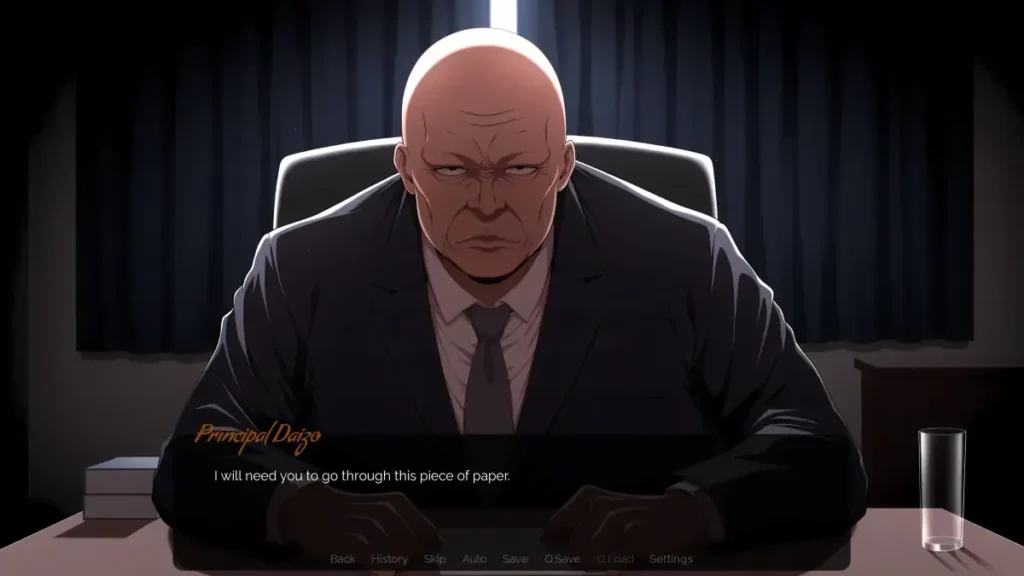

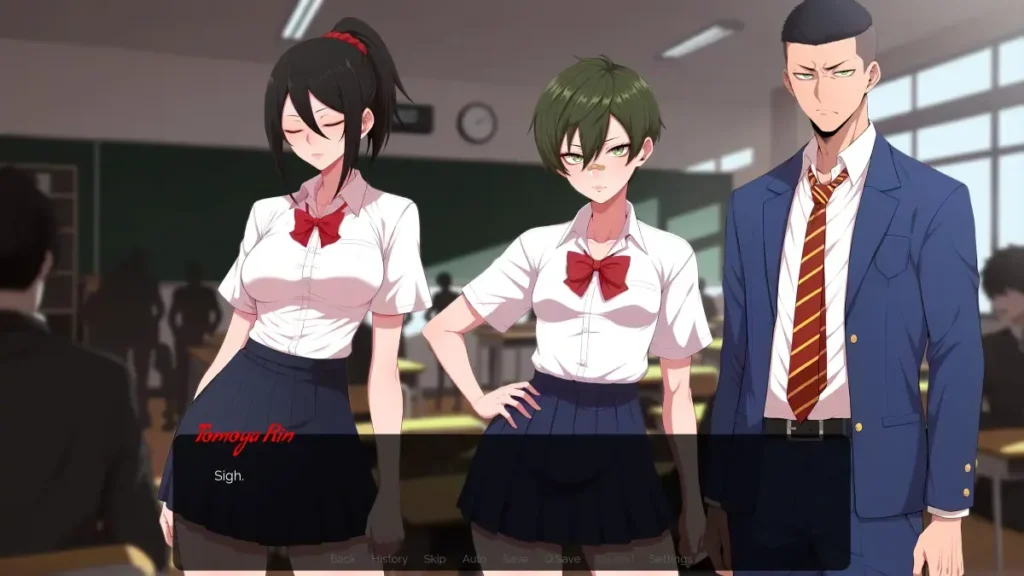
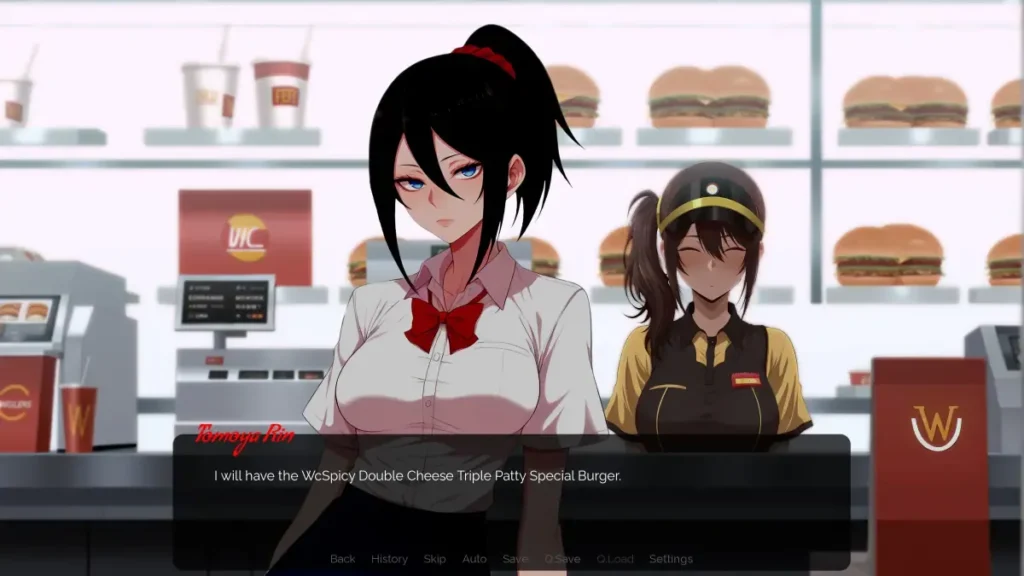
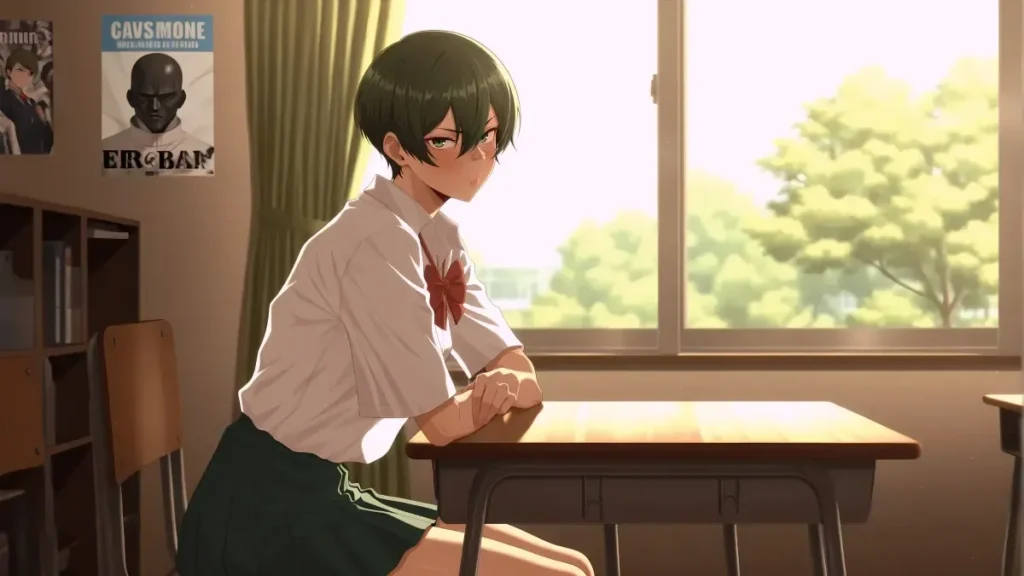




Aperture review
Discover how Aperture blends mystery, portal puzzles, and steamy encounters at Hoshino Academy
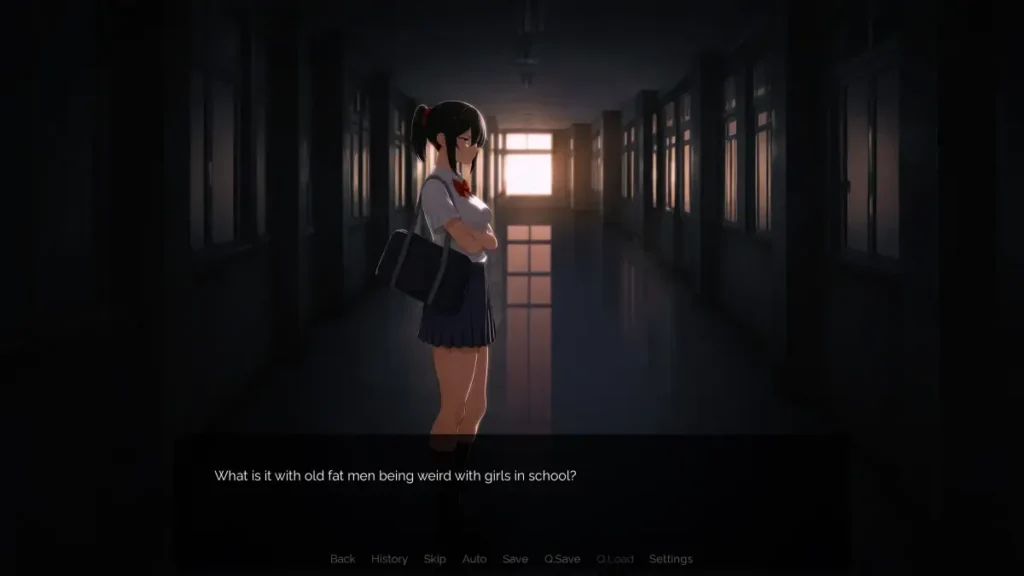
Aperture is a captivating adult game that has hooked players worldwide with its clever puzzle mechanics and steamy encounters. Set within the prestigious Hoshino Academy, this interactive experience blends a gripping mystery with complex character relationships and emotional depth. Your goal is to collect special orbs scattered in each chamber, and each orb you secure unlocks a piece of an intimate, animated scene, progressively revealing the story and your connection to the enigmatic world. I remember my first session; I was instantly drawn into the slow-paced storytelling and thematic depth that make Aperture a standout title for those seeking immersive, character-driven gameplay.
Aperture Gameplay Mechanics and Puzzle Design
How Portal Creation Redefines Spatial Paths in Aperture
I’ll be honest—when I first stepped into the world of Aperture, I thought I had puzzle games figured out. You know the drill: move a block, pull a lever, rinse and repeat. But then I encountered the portal creation system, and everything changed. Suddenly, the environment wasn’t just a backdrop; it was a living, breathing puzzle box waiting to be twisted. 😮
In Aperture, you place two linked portals on flat, white surfaces. That’s it. Two dots, one connection. But the magic happens when you realize those portals redefine spatial paths, bending space to your will. Need to reach a high ledge across the room? Place a portal on the wall beside you and another on the ledge above. Step through, and boom—you’re there. No climbing, no jumping, no fuss.
But it gets trickier. In later chambers, you might need to create a portal on the ceiling, then another on the floor beneath a moving platform. Objects—like those heavy crates—can also pass through portals. So you might shoot a portal to redirect a crate’s trajectory, letting it travel through the interface and land exactly where you need it. The key is spotting those white surfaces and imagining the path they unlock.
Here’s a quick breakdown of how the mechanic works:
| Portal Slot | Action | Effect on Spatial Path |
|---|---|---|
| Portal A (Blue) | Placed on a flat, white surface | Creates an entry point for the player or object |
| Portal B (Orange) | Placed on another flat, white surface | Creates an exit point, linking the two locations |
| Linked Pair | Move through either portal | Instantly repositions the player or object, redefining the spatial path |
What I love is the sheer variety. Some puzzles require you to create a portal chain (yes, you can place new portals to replace old ones), which feels like weaving a web through the room. The Aperture puzzle design here is genius—it never tells you the solution, but the environment always gives you hints. You just have to learn to see the invisible threads. 🧠
Mastering Momentum and Object Interaction in Aperture Puzzles
Now, let’s talk about the real trick: momentum. In many momentum Aperture puzzles, you’re not just walking through portals—you’re launching yourself. Place a portal on the floor, another on the wall far below, and fall through. If you angle it right, you’ll shoot out the other side with a burst of speed, sailing across gaps you’d never cross on foot.
The first time I pulled this off, I felt like a genius. Seriously. There’s something deeply satisfying about watching your character fly through the air because you harnessed momentum through portal placement. The object interaction Aperture system makes this even more dynamic. You can pick up cubes, energy spheres, or even decoys and throw them through portals to activate switches on the other side of the room.
But here’s the kicker: some objects have weight. A heavy crate moves slower through the air, so you need to plan your portal angles carefully. If you’re trying to launch a crate onto a high platform, you might need to drop it into a portal while running, giving it extra speed. It’s physics—but fun physics.
I remember one chamber where I had to collect special orbs while balancing on a moving platform. Each orb was tucked behind a portal-accessible corner, and I had to juggle momentum, object interaction, and timing. It took me five tries, but when I finally secured them all, the sense of accomplishment was real. The Aperture gameplay mechanics here are all about rewarding smart thinking, not just fast reflexes.
Pro tip: Always check your surroundings for movable objects. Even a small crate can become the key to solving a complex puzzle. And don’t forget to experiment—place random portals just to see what happens. Some of the best solutions come from happy accidents. 🚀
The Seamless Loop of Aperture Gameplay Mechanics
What makes Aperture so addictive? It’s the seamless loop of analyzing, planning, acting, and collecting. You don’t just wander around hoping for an answer. Every puzzle follows a clear structure: assess the environment, design your portal network, manage momentum, then interact with objects to execute your plan.
Start by scanning the room. Where are the white surfaces? Where are the collect special orbs hidden? Usually, the orbs are placed in tricky spots—behind barriers, under moving platforms, or inside chambers that require multiple portal jumps. Once you spot them, the real fun begins.
Next, sketch out your portal network in your head. Can you place two portals to create a shortcut? Do you need to drop an object through a portal to hit a distant switch? The Aperture puzzle design encourages backtracking, but never in a frustrating way—you always feel like you’re making progress.
Then comes the action. Jump through portals, harness momentum, and interact with objects. You might need to pick up an orb, carry it through a portal, then place it on a pedestal to unlock the next area. Or you might need to launch yourself across a chasm to reach a spatial path that was previously unreachable.
Finally, secure the orbs. Each chamber has a set number of special orbs you need to collect before you can exit. Once you gather them all, the game rewards you with an animated scene that pushes the story forward. This is where the narrative really shines—you’re not just solving puzzles for points; you’re unlocking pieces of the mystery at Hoshino Academy. 🎭
The rhythm is hypnotic. Think, act, collect, watch. Rinse and repeat with increasing difficulty. The Aperture gameplay mechanics blend puzzle-solving, momentum management, and object interaction so smoothly that you never feel bored. Even when you’re stuck, the game’s spatial paths hint at solutions without handing them to you.
For me, the genius of Aperture lies in this loop. It respects your intelligence while still surprising you. Every chamber feels fresh, every mechanic has purpose, and every portal creates a new possibility. That’s the mark of a truly great puzzle game. And honestly, once you start, it’s hard to stop. 😅
Aperture stands out as a unique interactive experience that seamlessly blends narrative-driven storytelling with engaging gameplay mechanics. Set within Hoshino Academy, the game immerses players in a mystery filled with complex relationships, meaningful choices, and emotional depth. By collecting orbs to unlock intimate animated scenes, players uncover the story and their connection to the world. The seamless loop of analyzing, planning, and interacting ensures a masterclass in blending interactive storytelling with gameplay. If you are looking for an immersive, character-driven adult game with depth and meaningful engagement, Aperture is a standout choice you should try today.